Select your language

Select your language


Herz Stern was born around 1791 and was apparently orphaned at an early age. His mother's childless sister Scheile, married to Aaron Seligmann in Roth, took him in when he was about four years old and raised him. After the death of her husband in 1796, Herz gradually took over her business and eventually ran it for her. On February 1, 1815, he concluded a marriage contract with his cousin Miriam Bonfang from Lohra, daughter of another of Scheile's sisters, in which it was stipulated that Scheile would give her nephew her house and yard, her business, all household goods and 600 fl of Frankfurt currency immediately after the marriage, with the exception of the lower room reserved for herself. Stern now applied for admission as a subject of the Electorate of Hesse. Although he was able to cite his long residence in Roth, his aunt's considerable inheritance - which would be taken out of the country if he was refused -, 1,100 fl from his parents' inheritance, his marriage contract, his release from the Grand Duchy's subject association and also the unanimous vote of the general assembly of the Roth community, this was initially rejected several times before finally being approved in 1818. In the meantime, Herz Stern had married Miriam Bonfang and had already fathered a daughter, who was named after his mother Hennel.
Miriam gave birth to an impressive nine children - two sons and seven daughters, two of whom died in infancy.
In the second generation, both of Herz Stern's sons, Haune and Bonfang, started families in Roth with the sisters Adelheid and Malchen Wetzstein from Treis/Lumda. They married in 1855 and 1857 respectively and had six children, one of whom died in infancy. Adelheid and Haune thus had only one surviving son, Herz, who grew up with four sisters. He went down in history as Herz II. Malchen and Bonfang had four children; one of their sons also died in infancy. The sons Herz and Mannes founded families in Roth, with Herz being listed in the records as the older - as Herz I.
In the third generation, Herz Stern I married Hilda Bachenheimer from Fronhausen in 1885 and had a son Berthold and a daughter Bertha with her. His brother Mannes Stern married Bertha Rosenbusch from Borken in 1891; their children were Toni, Hugo and Louis. After 1895, Herz Stern II married Emma Rothschild from Angenrod, with whom he had a daughter Selma and a son Hermann.
The fourth generation and their children were the ones who were driven into emigration by the Nazi regime or deported to the ghettos and extermination camps.

© Annegret Wenz-Haubfleisch
Jewish Families and Their Homes in Roth
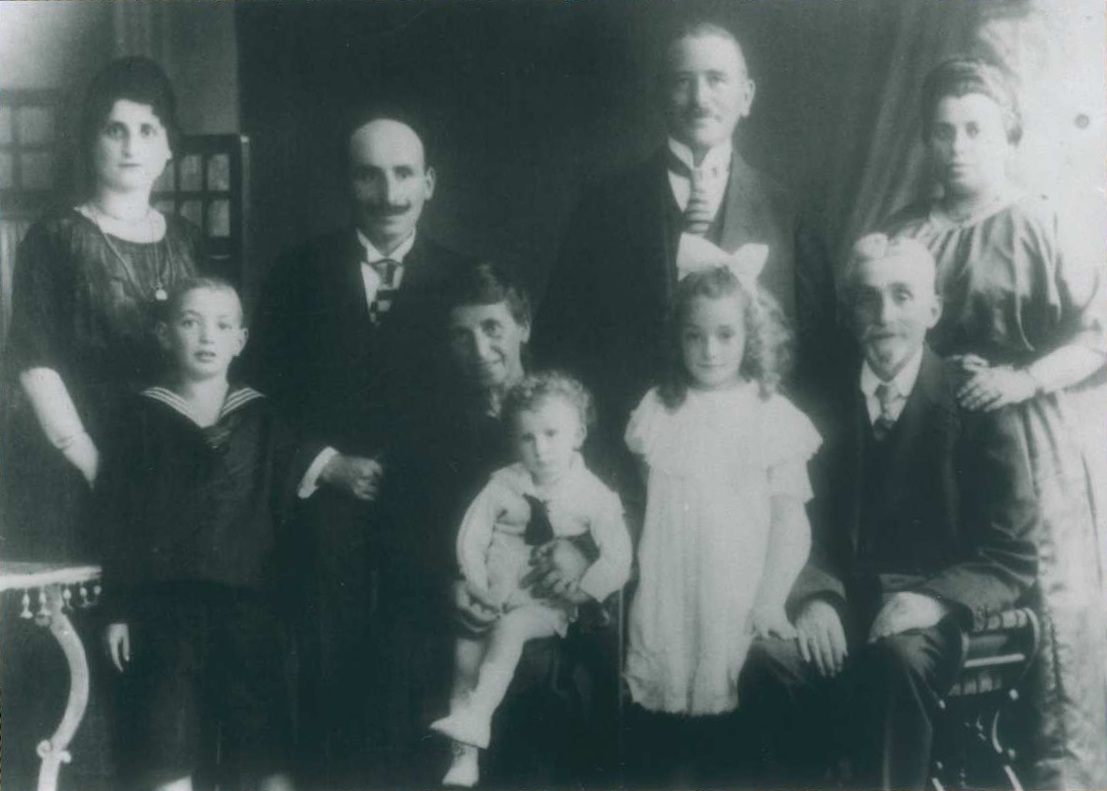 Family Stern
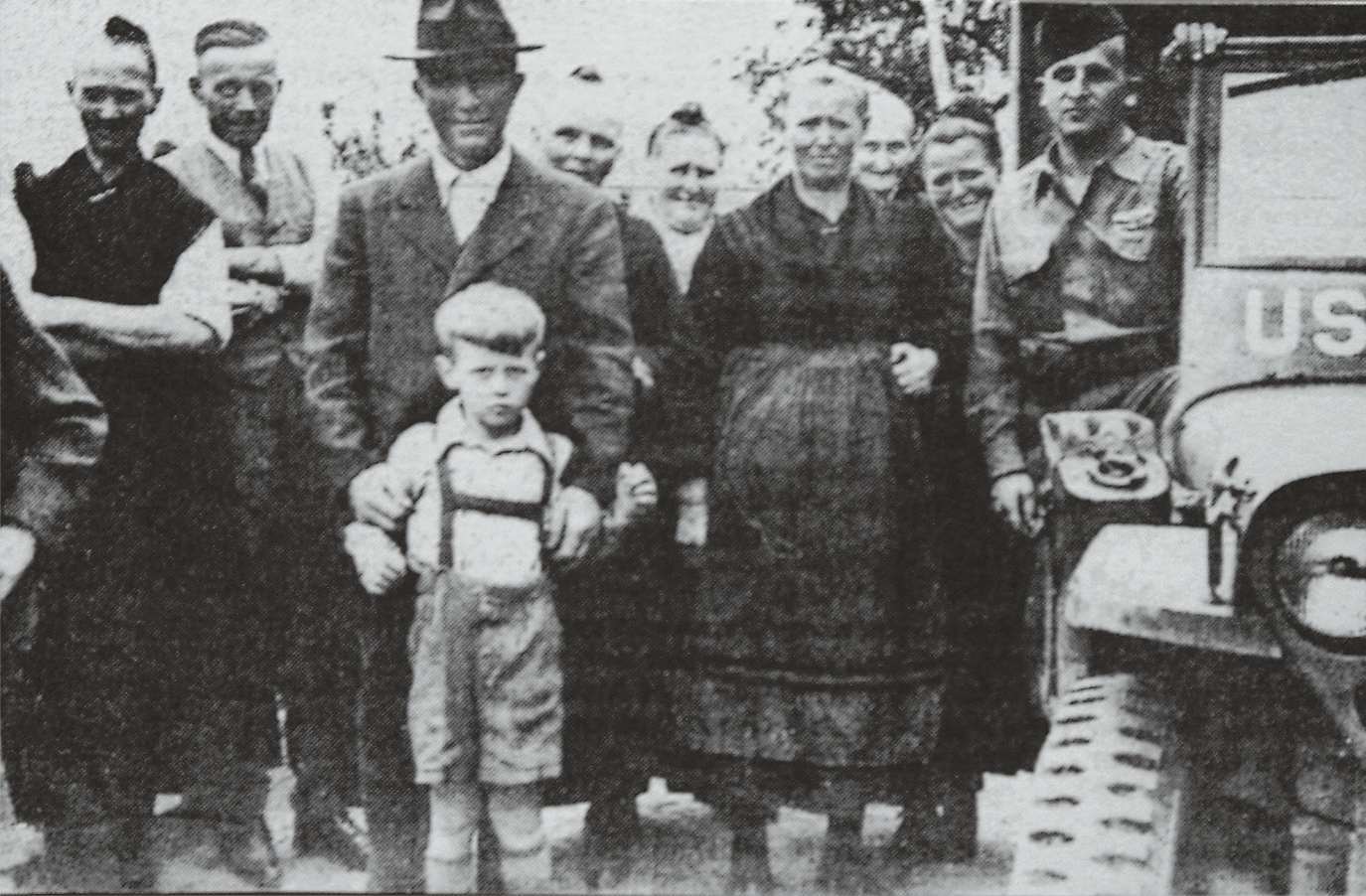 Otto Stern (on the far right) in Roth
Berthold Stern (1886–1929) lived with his family at 29 Lahntalstrasse. He was married to Klara (1891–1972), née Speier. They had two sons: Julius (1919–2005) and Otto (b. 1922). Berthold’s mother, Hilda (1862–1964), née Bachenheimer, also lived in the household.
Berthold Stern died in 1929. He had fought as a soldier in World War I, was wounded at the Somme, and was later taken prisoner by the French.
His wife Klara, along with their children Julius and Otto, managed to emigrate to the United States in 1937. Her mother-in-law followed in 1938.
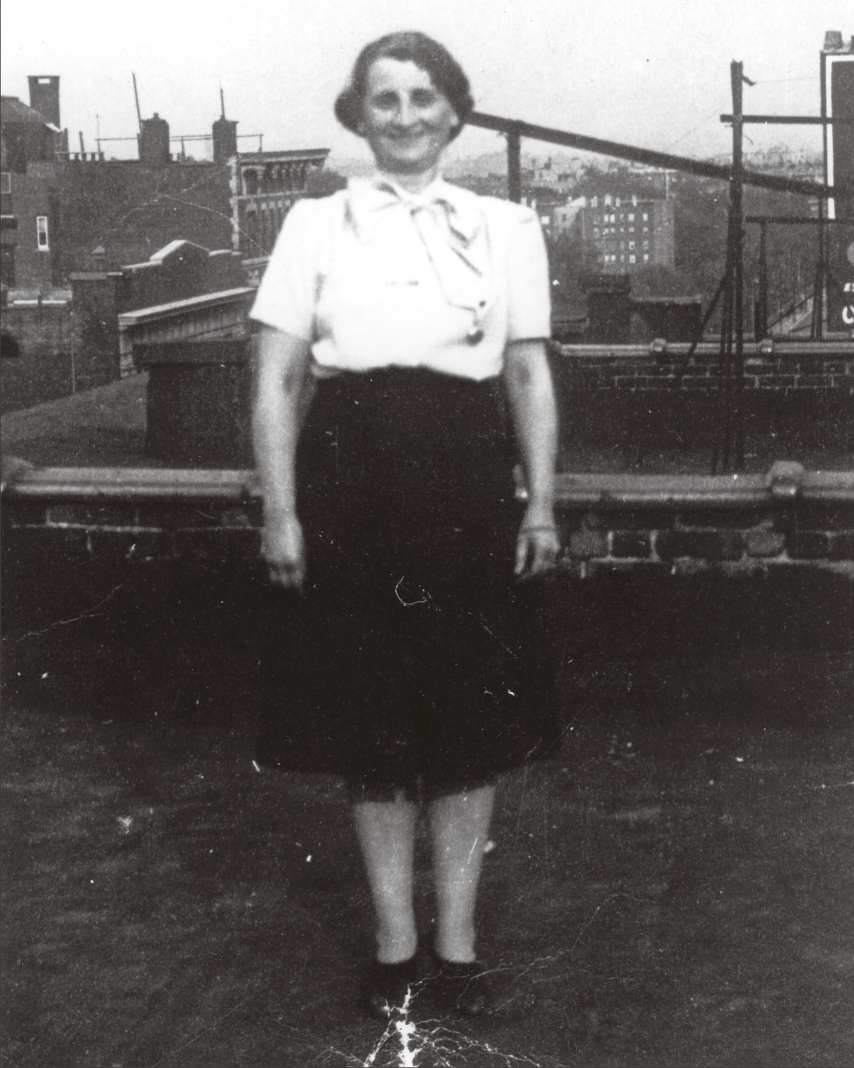 Klara Stern
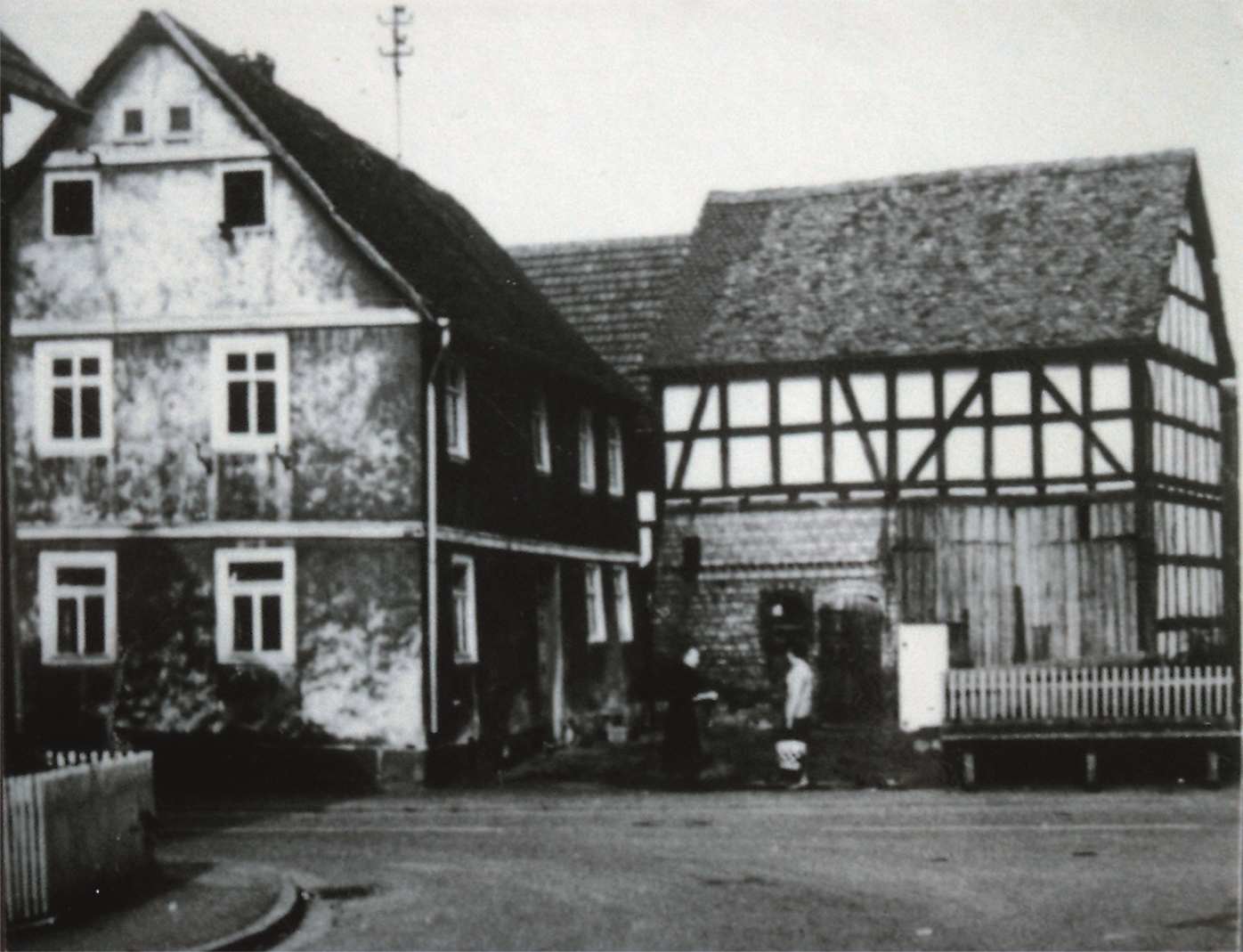 Lahntalstr 29
Jewish Families and Their Homes in Roth
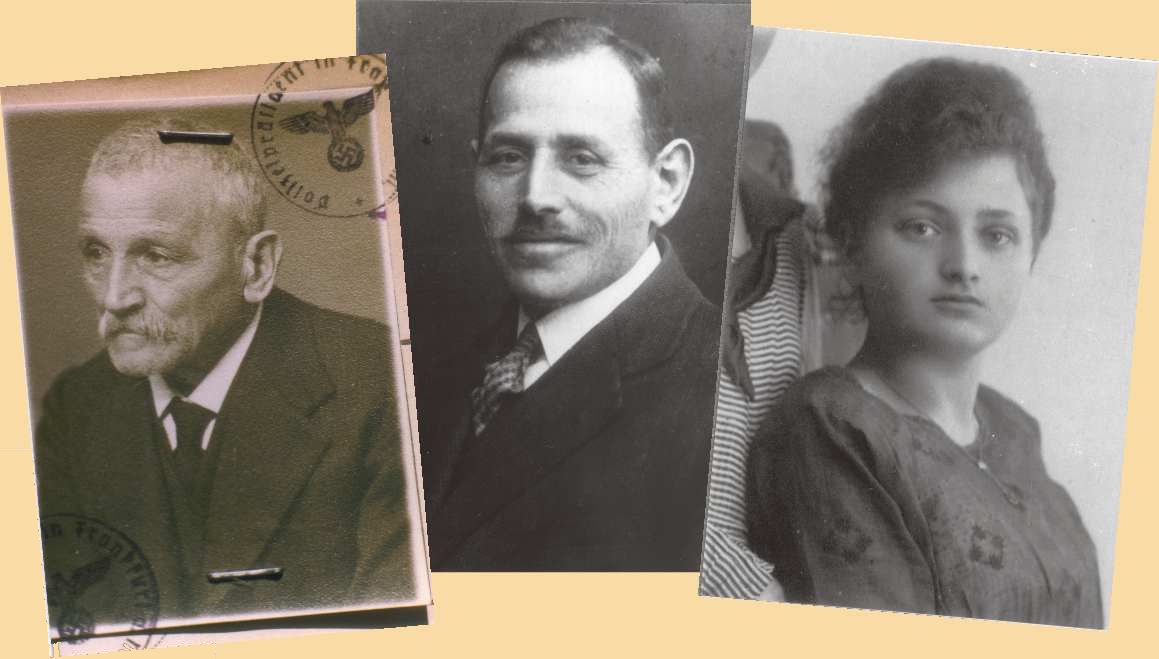 Herz Stern, Markus and Selma Roth
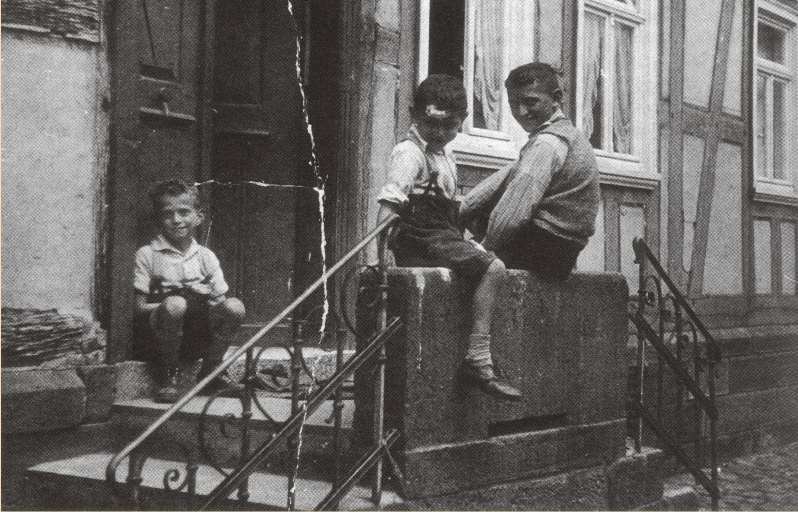 Helmut Höchster, Walter and Herbert Roth
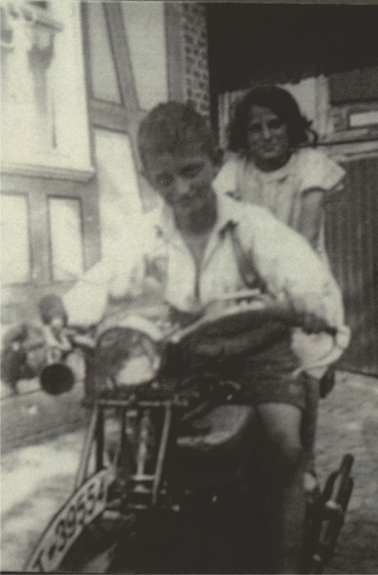 Herbert Roth
The merchant Herz Stern II (1866–1943) lived at 20 Lahntalstr. with his wife Emma (1867–1937), née Rothschild, and their two children: their son Hermann and their daughter Selma (1899–1934). Hermann Stern served as a soldier in World War I. He was killed in action in 1917 on the Eastern Front. Selma remained in her parents’ home and lived there with her husband Markus Roth (1893–1966) from Nieder-Ohmen, as well as their children Herbert (b. 1923), Irene (b. 1925), and Walter (b. 1929).
Selma Roth died unexpectedly of a fever in 1934.
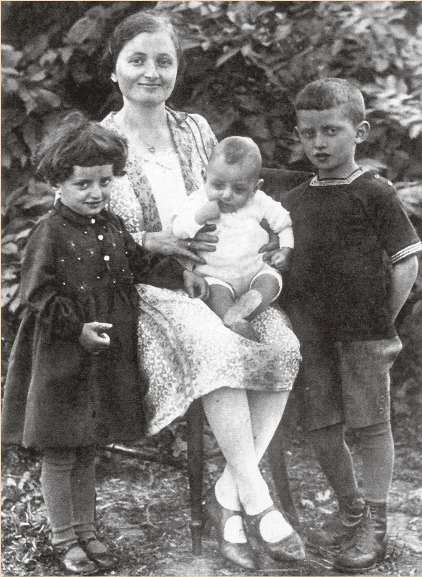
Irene, Selma, Walter and Herbert around 1930
Markus Roth remarried two years later. Family connections of his second wife, Toni Stern, enabled him, his wife, and their children to emigrate to the United States in 1938. Their daughter Helen was born there in January 1939. Emma Stern died in 1937.
Since Herz Stern was unable to accompany his family to the United States and was now alone, he moved to a retirement home in Frankfurt. He was deported from there to Theresienstadt in August 1942 and died there on January 15, 1943.
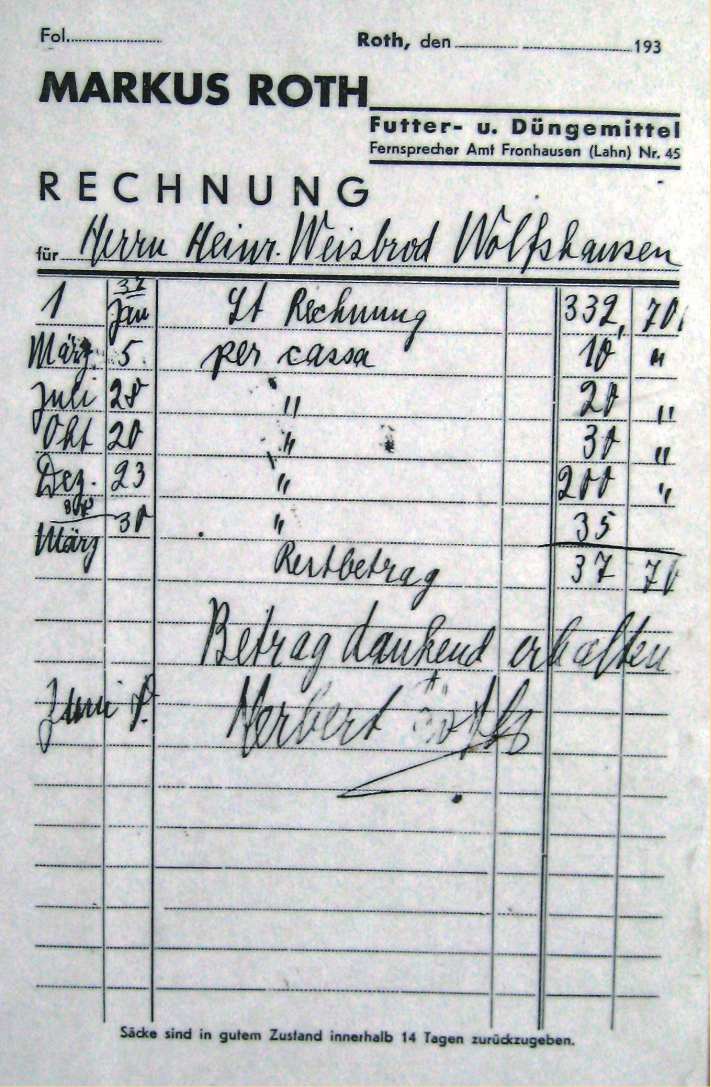 Invoice
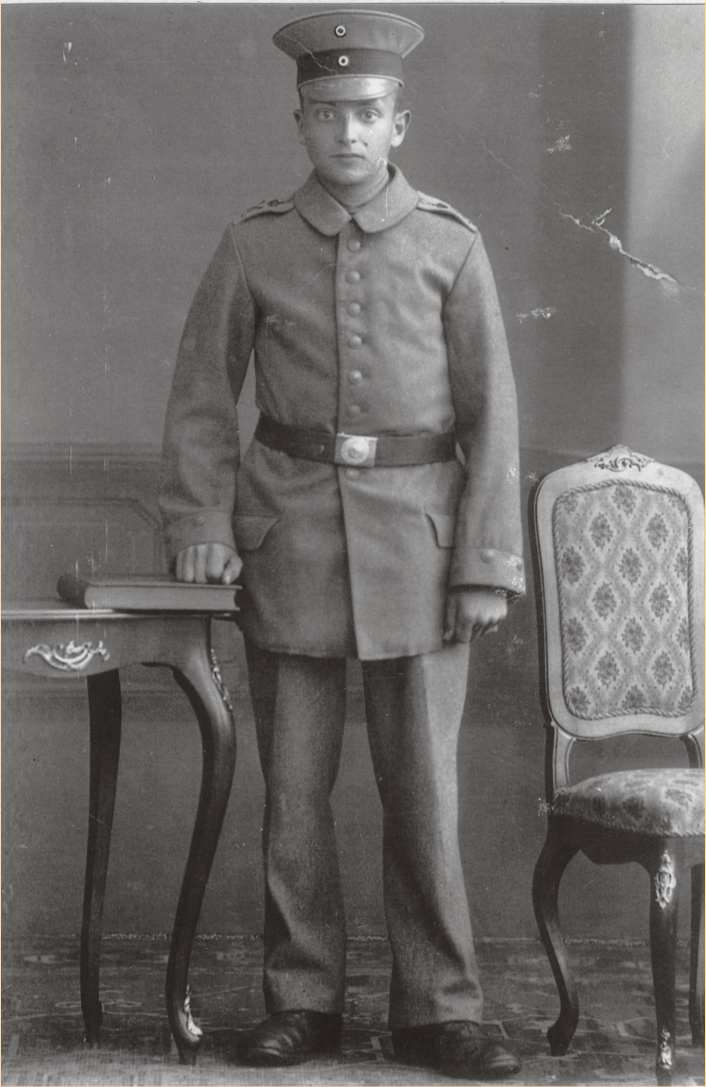 Hermann Stern, 1917
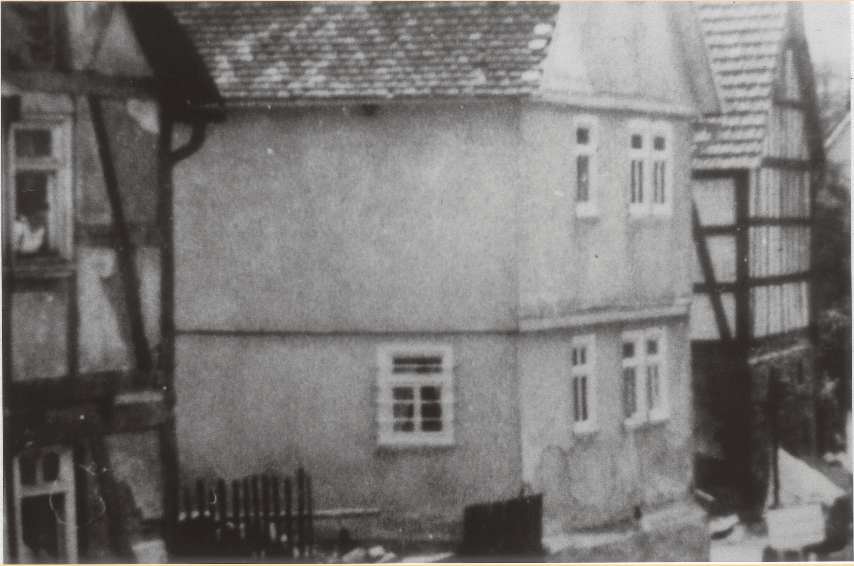 Lahntalstraße 20, 1949
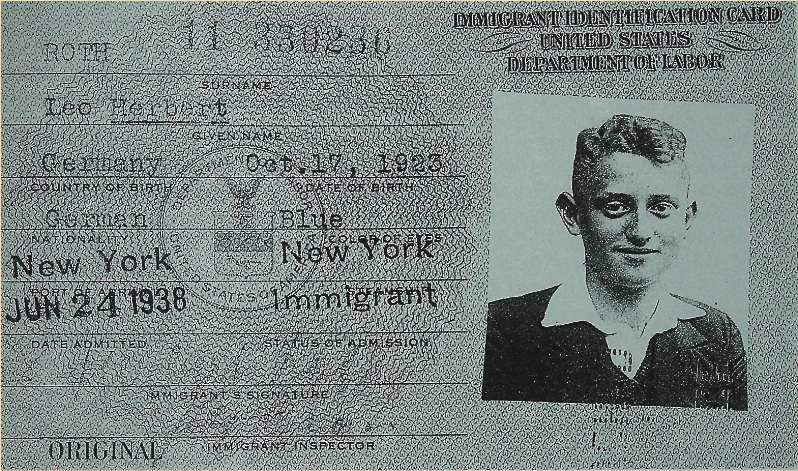 Emigrant Certificate Herbert Roth
Jewish Families and Their Homes in Roth
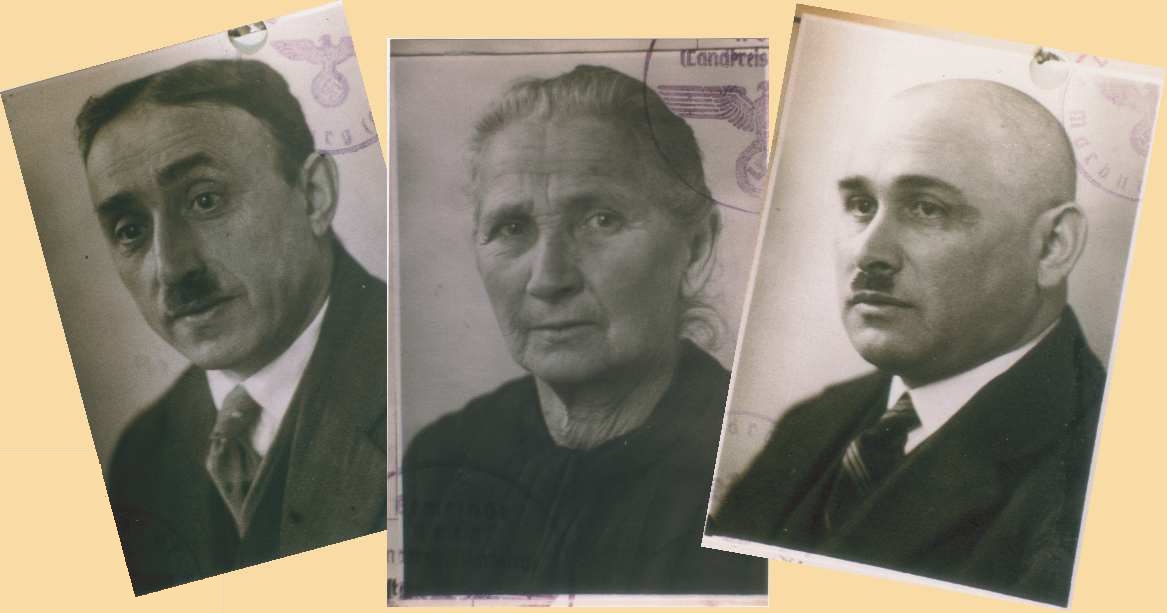 Louis, Bertha, Hugo Stern (around 1939)
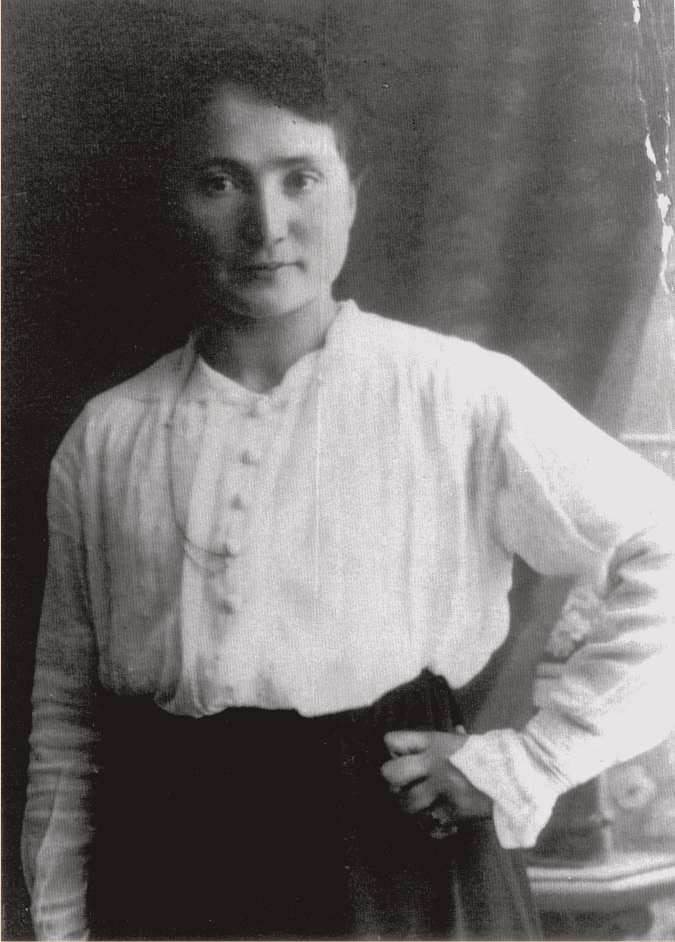 Toni Stern, around 1925
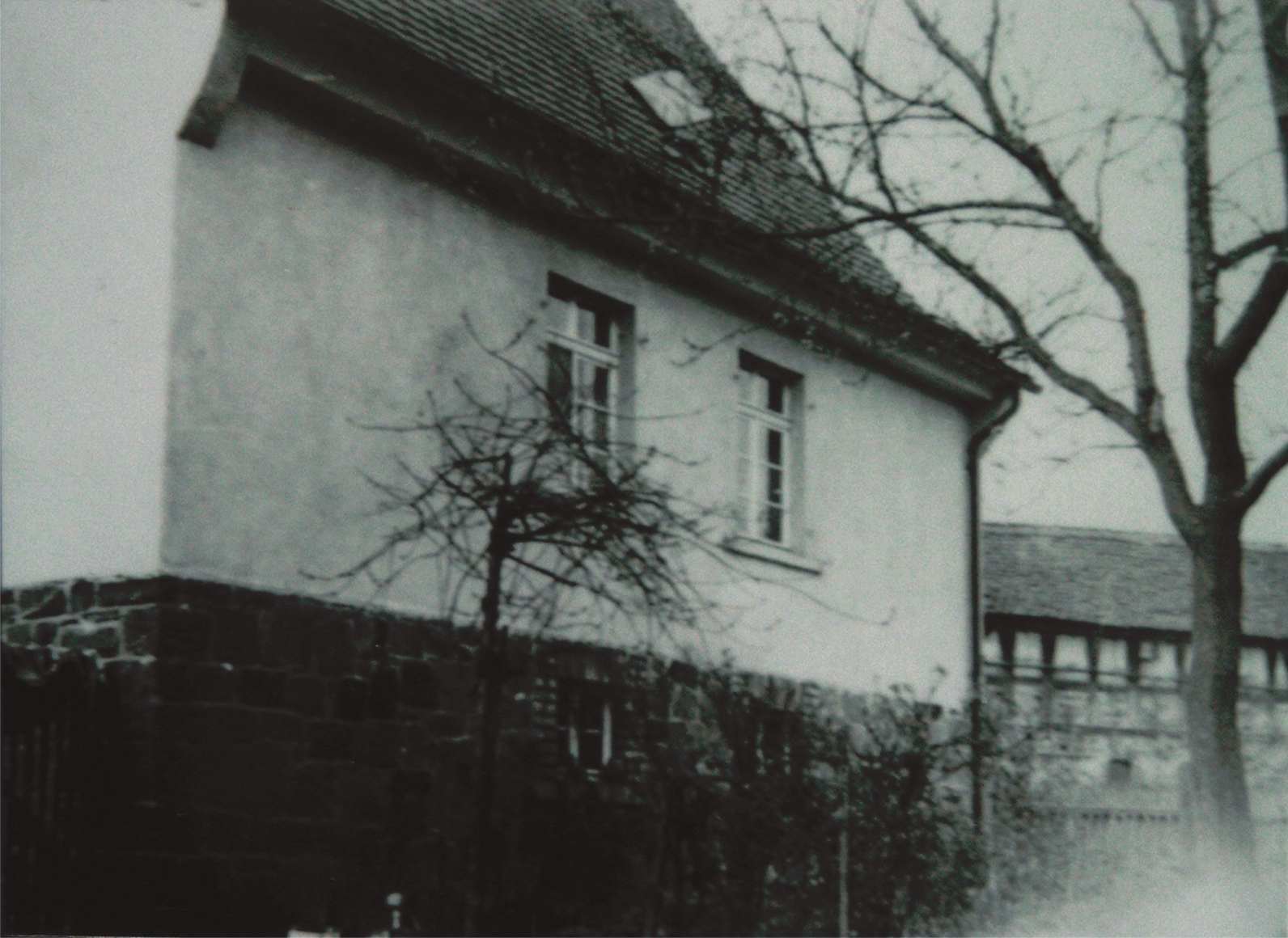 Unter der Linde 1
The family of Mannes Stern (1861–1933) lived at Unter der Linde 1, where he also ran his small fabric business. He and his wife Bertha (*1869), née Rosenbusch, had three children: sons Louis (*1894) and Hugo (*1896), and daughter Toni (1898–1998). After Mannes Stern’s death on January 29, 1933, his widow continued to run the business, presumably together with her younger son Hugo.
Louis worked at a large ready-to-wear clothing store in Frankfurt and lived there during the week until he was forced to return to Roth in 1939. Toni Stern married the widower Markus Roth in 1936 and emigrated with her family to the United States in 1938.
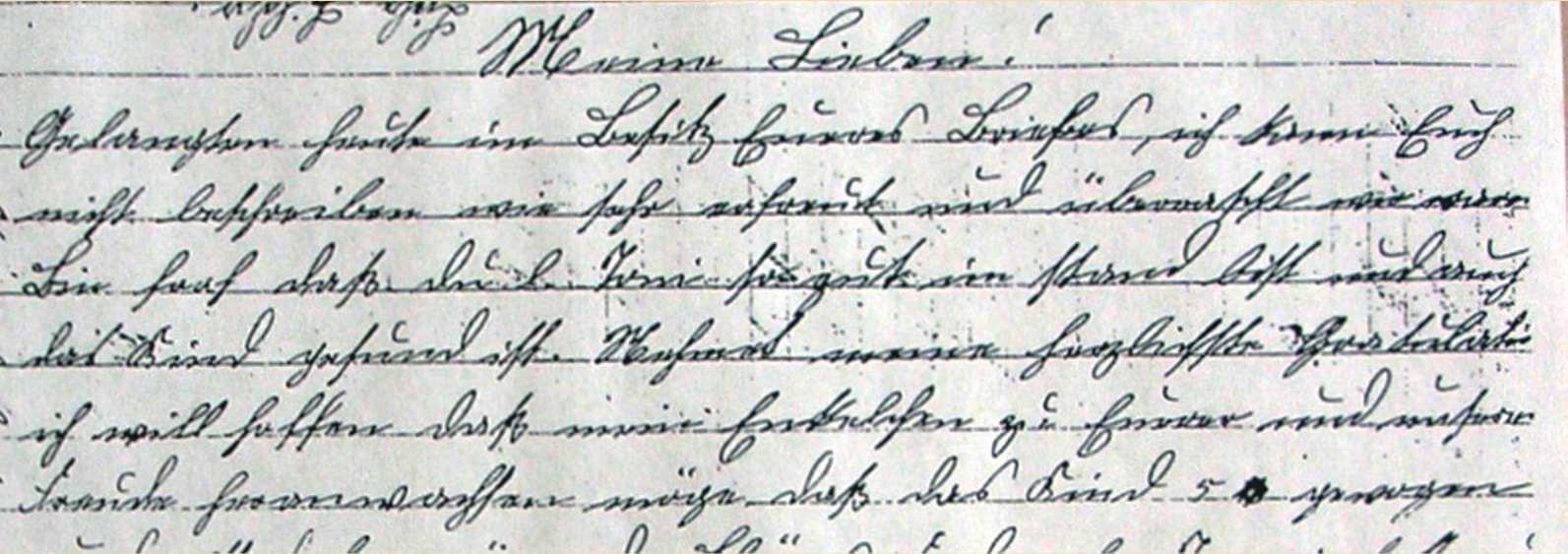 Bertha Stern - Excerpt from a letter
Transcription “My dear ones! I received your letter today; I cannot describe to you how delighted and surprised we were. I am glad that you, Toni, are doing so well and that the child is healthy, too. Please accept my warmest congratulations; I hope that my little grandson will grow up to be a source of joy for you and for us.” (Letter dated Jan. 21, 1939)
Despite numerous efforts, Bertha, Louis, and Hugo Stern were unable to comply. On September 6, 1942, they were deported to Theresienstadt, and in 1943 and 1944, respectively, to Auschwitz. They did not survive.
Marcus Wäscher was a native of Ziegenhain and immigrated in 1815, i.e. only after the Westphalian period, with permission from a Cameralreskript. He had married Sara Höchster, with whom he had a one-year-old daughter in 1817. They had two more girls. Sara was already 35 years old when her first daughter was born; this may explain why the family did not have as many children as the other families.
In the second generation, no one married into the Wäscher family with their three girls in Roth, so that the family became extinct with Regine's death in 1902.
Abraham Nathan (*1859), who moved here at the end of the 19th century, had five children with Berta Stern (*1857) from Romrod: Hermann (1887-1932), Marcus (*1900), Blanka (*1891), Mathilde (*1894) and Gertrude (1897-1943).
The next generation and their children were the ones who were driven into emigration by the Nazi regime or deported to the ghettos and extermination camps.

© Annegret Wenz-Haubfleisch
Jewish Families and Their Homes in Roth
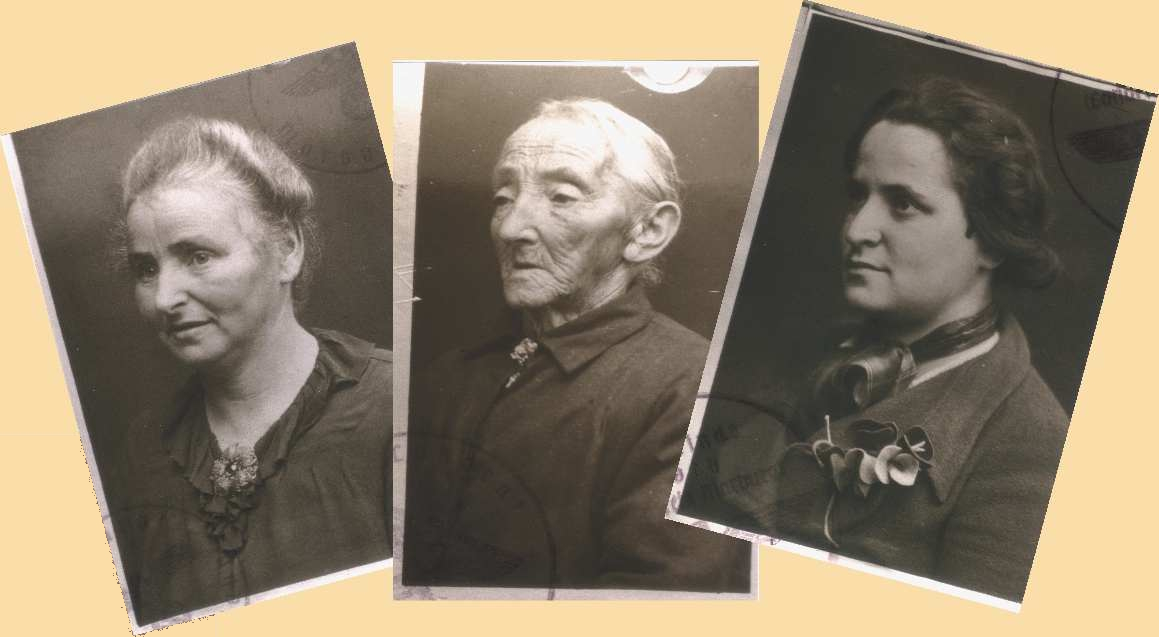 Gerdi, Betty and Cilly Nathan, 1939
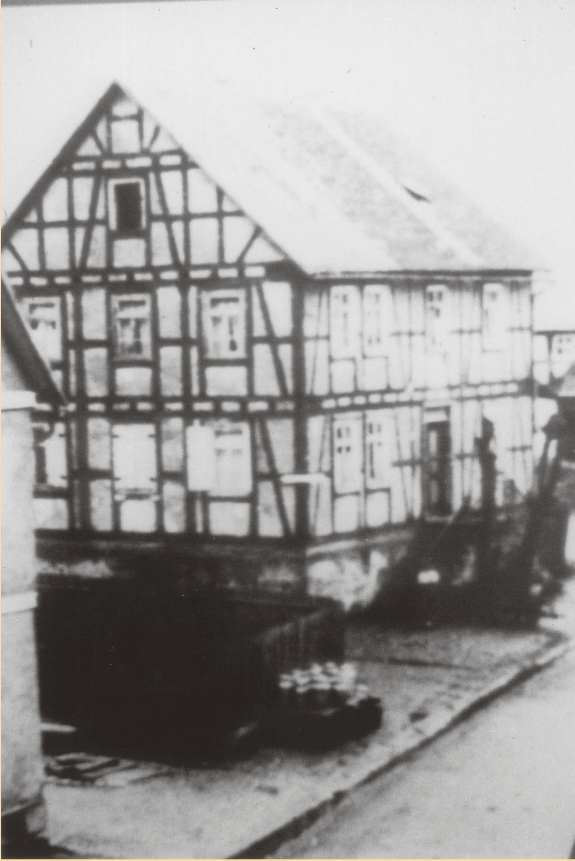 Unter der Linde 2
Bertha Nathan (1857–1939), née Stern, known as Betty, lived at Unter der Linde 2 with her husband Abraham Nathan (b. 1859) and their children Hermann (1887–1932) and Gertrude (1897–1943), known as Gerti. Gertrude never married. Hermann married Pauline (1884–1943), née Goldschmidt, with whom he had a daughter, Cäcilie (1919–1943), known as Cilly. Hermann Nathan died in 1932 at the age of 45.
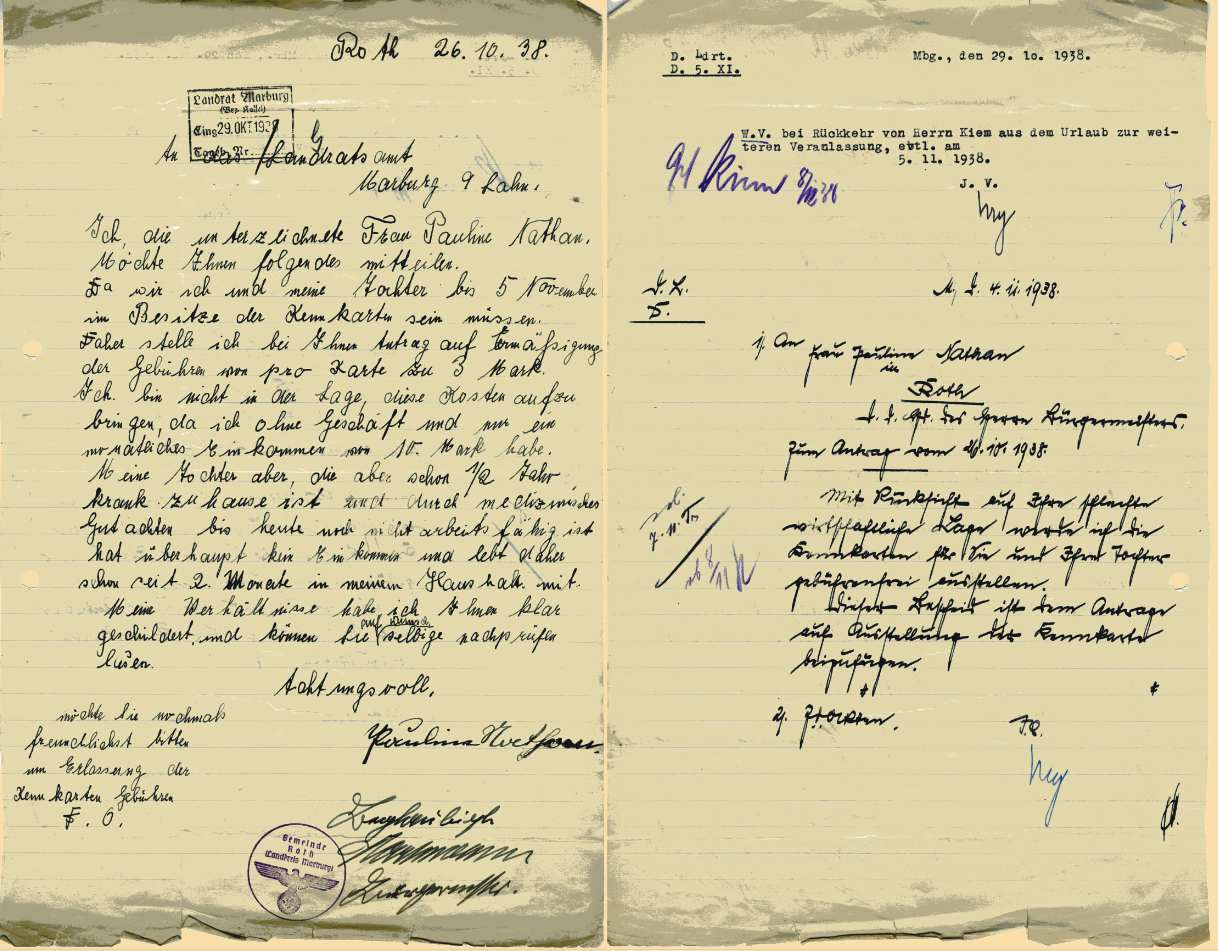
Application for a Fee Reduction in 1938 and Its Denial
His death exacerbated the family’s already existing financial difficulties. Cilly worked for a time in Frankfurt as a housekeeper and had her own income during that period, but she had to return to Roth due to illness. From there, she was deported along with her mother and her aunt to the Riga ghetto in December 1941. After the ghetto was liquidated on November 2, 1943, they were deported to Auschwitz, where they were murdered that same November. Bertha Nathan did not live to see the deportation. She died in 1939 at the age of 82.
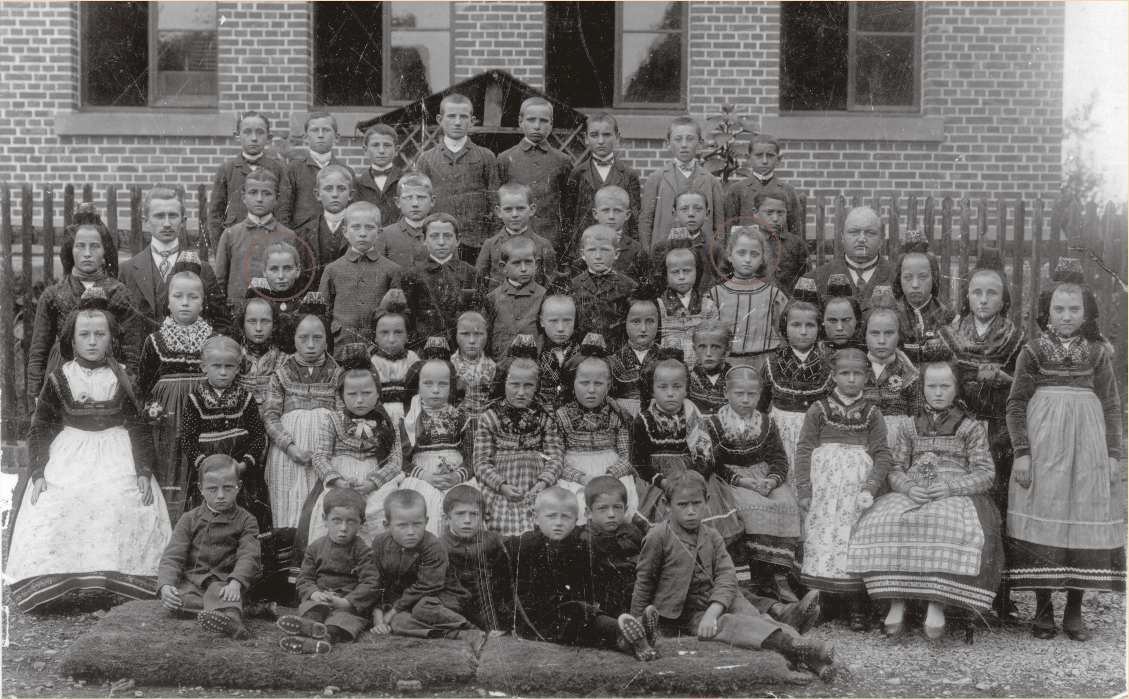 Gerdi Nathan (left) und Selma Stern (right)
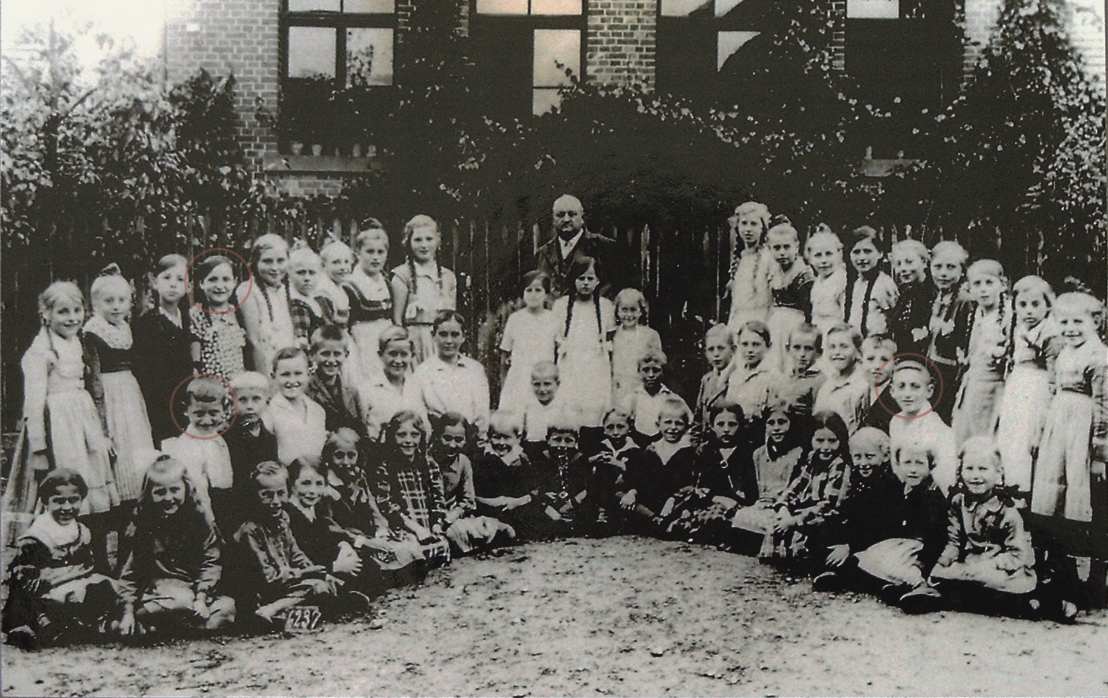 Cilly Nathan (top left), Herbert Roth (below) und Heinz Bergenstein (right)
Jewish Families and Their Homes in Roth
The synagogue and the adjacent building at Lahnstr. 28 are the only houses in Roth that can be traced back to Jewish ownership since the 18th century. Among others, the Wäscher family lived there in the 19th century. Records show that Baruch Nathan’s grocery store was located here starting in 1885. He was originally from Lohra; in 1855, Giedel Höchster (née Stern) married him in his second marriage. They had three children: Nathan, Marjane, and Abraham. Abraham later lived with his wife Betty at Unter der Linde 2. The Nathan family retained ownership of the house and the store until 1902.
The last Jewish resident was Rahel Nathan, who was known in the village as “Alt Rah.” She apparently also ran a small tavern in her store. According to an interview with a contemporary witness, “Alt Rah” had very poor eyesight and therefore always used her finger to check whether the glass was full when pouring drinks. After the Nathans, the house and store became the property of the Hormel family. The photographs date from this period and show the house around 1920 and 1928, before and after extensive renovations were carried out there.
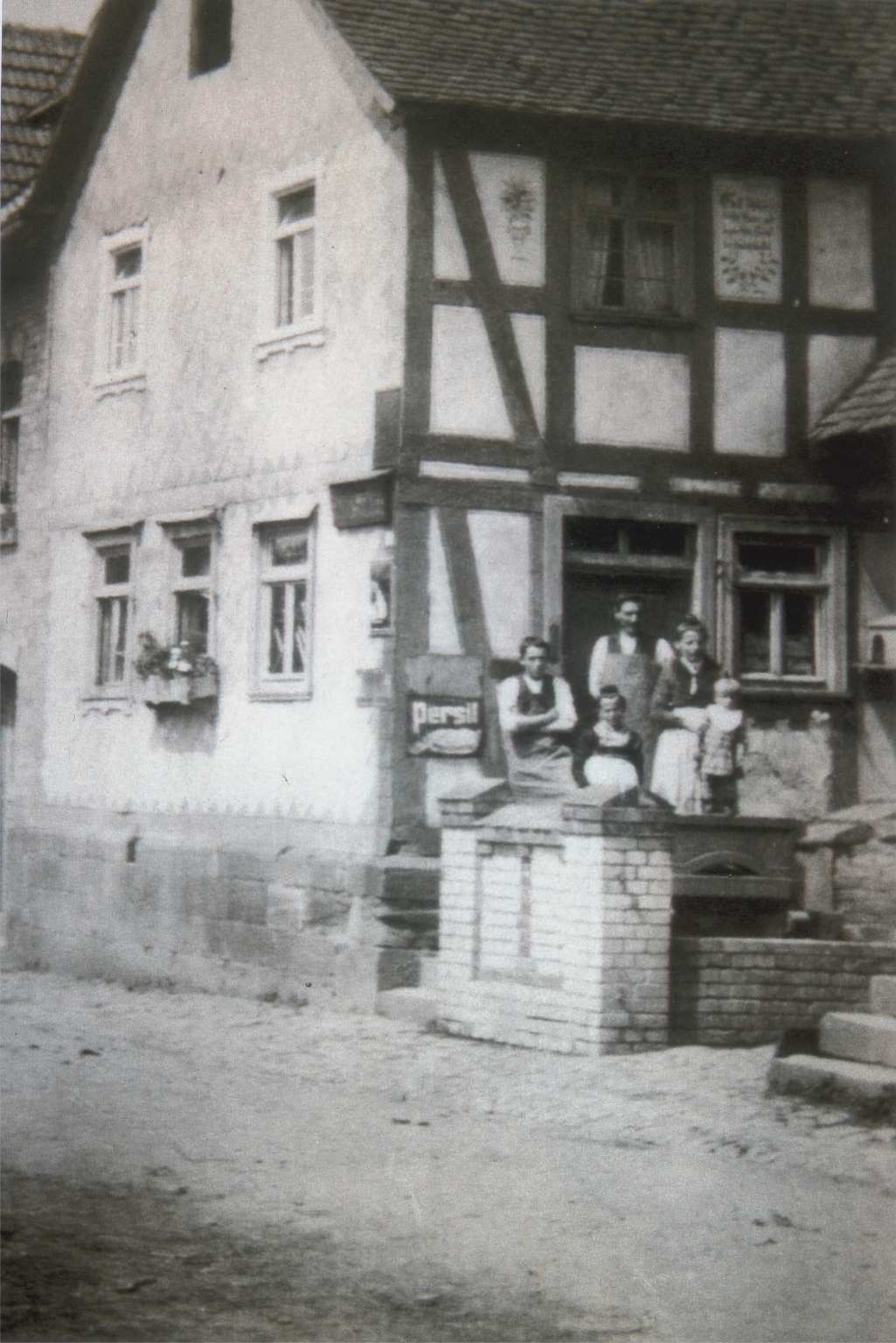 Lahnstraße 28, 1920
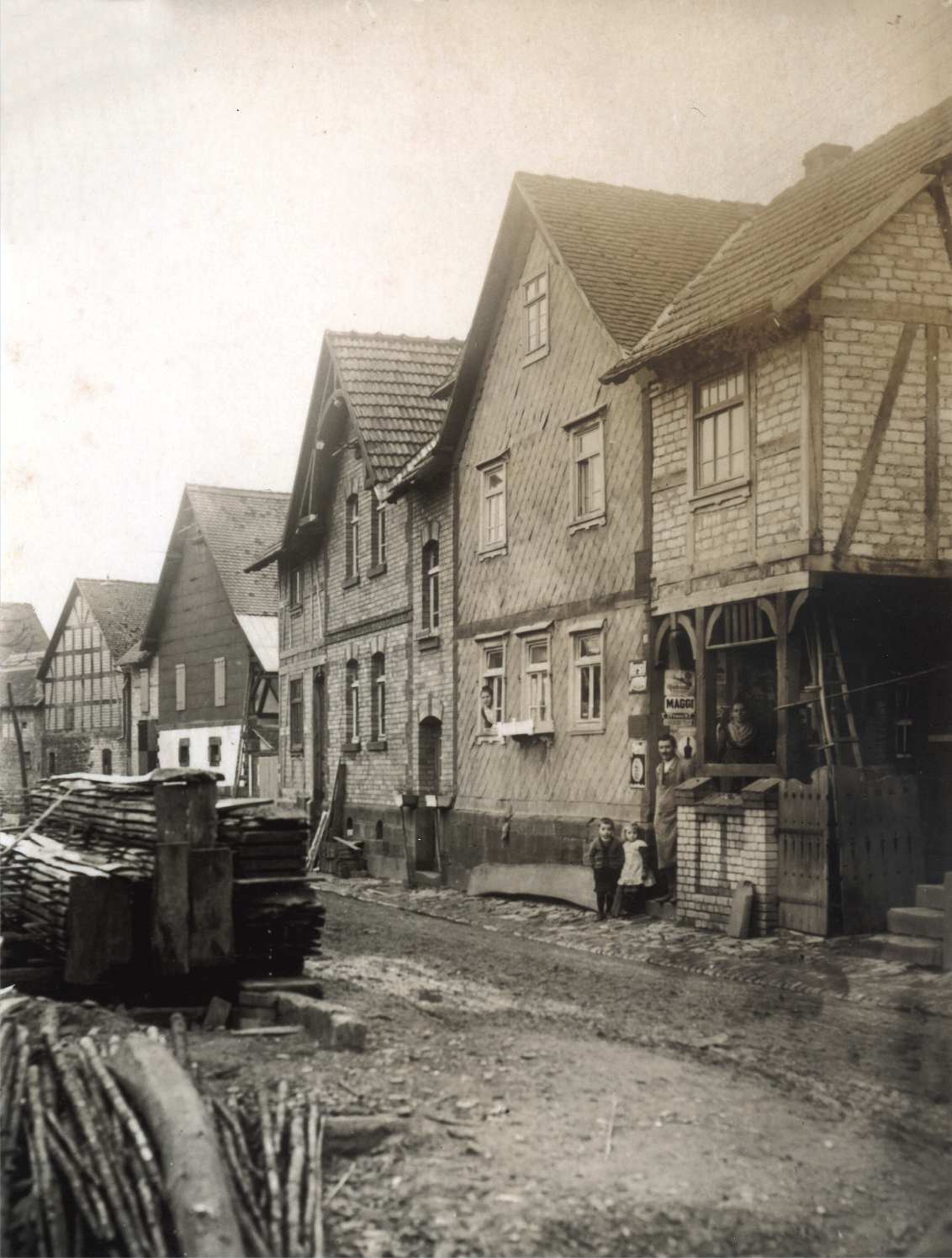 Lahnstraße 28, 1928
Seligmann Bergenstein (*1788) came from Leihgestern in the Langgöns district and, like Herz Stern, was a subject of the Grand Duke of Hesse-Darmstadt. He had initially worked as a farmhand in Roth and fathered an illegitimate child with Reitz (*1783). In 1807, during the Westphalian period, they took advantage of their new freedom to marry. He had applied to the Cantonal Maire Wegner in Marburg to be released from his subject status. By 1817, he had already had five children with Reitz. Now, like Herz Stern, he had to apply for formal admission to the Electoral Hessian subject association, which was initially rejected in 1818, but then approved. Seligmann and Reitz had a total of eight children.
In the second generation, two of Seligmann Bergenstein's sons, Josef and Abraham, founded families in Roth. Josef married Ziborah Stern from Oberweimar and had ten children. Abraham married Silpa Grienenbaum from Hermanstein and had five children with her. Their only son Kaufmann emigrated to the USA in 1866, after which this branch of the Bergensteins in Roth died out.
In the third generation, the Bergenstein family branched out again in Roth. Levi Bergenstein married Goldine Spier from Merzhausen and had the children Emma and Josef with her. Seligmann Bergenstein married Jettchen Buchheim from ... and had a son Julius with her.
The fourth generation and their children were the ones who were driven into emigration by the Nazi regime or deported to the ghettos and extermination camps.

© Annegret Wenz-Haubfleisch
Jewish Families and Their Homes in Roth
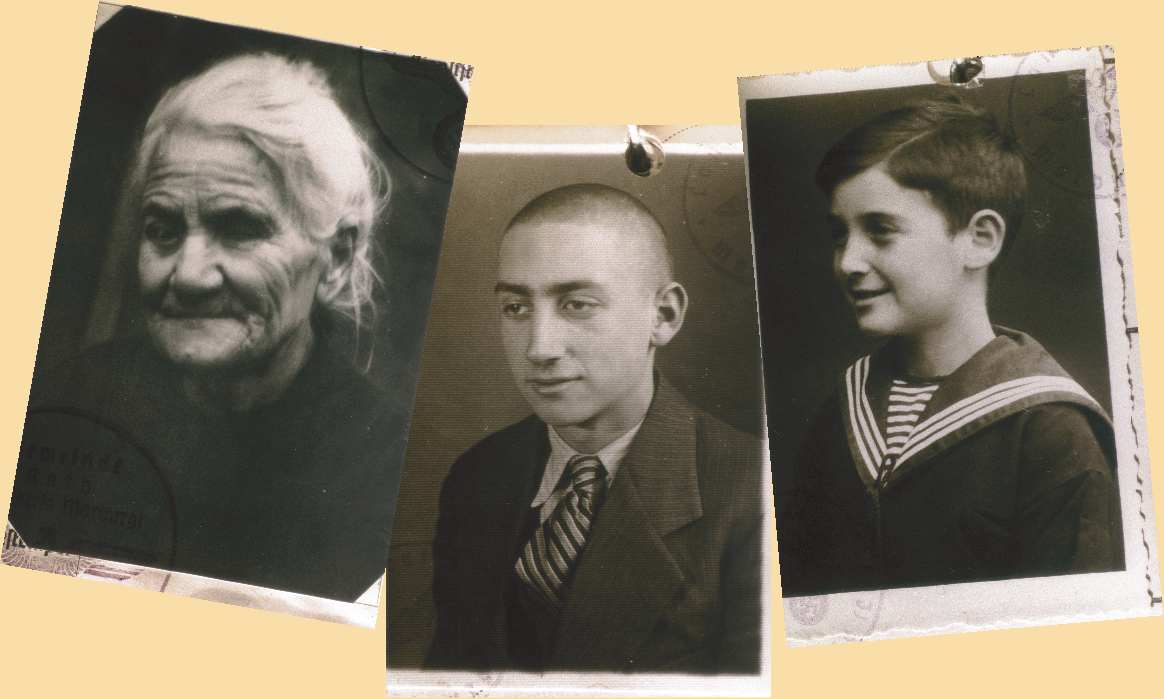 Goldine, Heinz and Kurt Bergenstein, around 1939
Josef Bergenstein (b. 1894) married Klara Nathan (b. 1901) in 1921 in Lohra, the bride’s hometown. They lived in Josef Bergenstein’s parents’ home, the property at 26 Lahntalstr. The marriage produced two children: sons Heinz (b. 1922) and Kurt (b. 1928). Together with their parents, they were deported to the Riga ghetto in December 1941. Klara and her sons Heinz and Kurt were last recorded in Stutthof in 1944; Josef was subsequently recorded once more in March 1945 in Lauenburg, Pomerania.
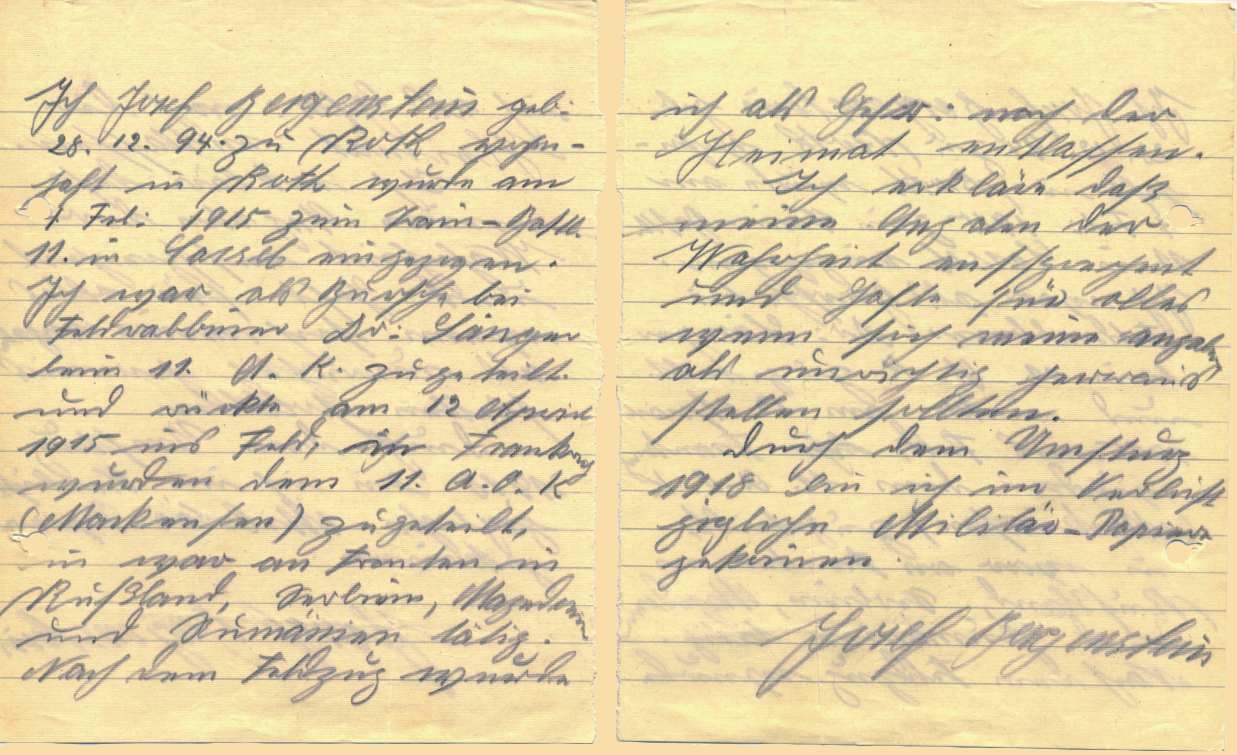 Handwriting J. Bergenstein Transcription: I, Josef Bergenstein, born on December 28, 1894, in Roth and residing in Roth, was drafted into the 11th Train Battalion in Kassel on February 4, 1915. I was assigned as an orderly to Field Rabbi Dr. Sänger with the 11th Army Corps and went to the front on April 12, 1915; in France, I was assigned to the 11th Army Group (Mackensen) and served on the fronts in Russia, Serbia, Macedonia, and Romania. After the campaign, I was discharged as a private and returned home. I declare that the information I have provided is true and accurate, and I accept full responsibility should any of my statements prove to be incorrect. As a result of the revolution in 1918, I lost all my military papers.
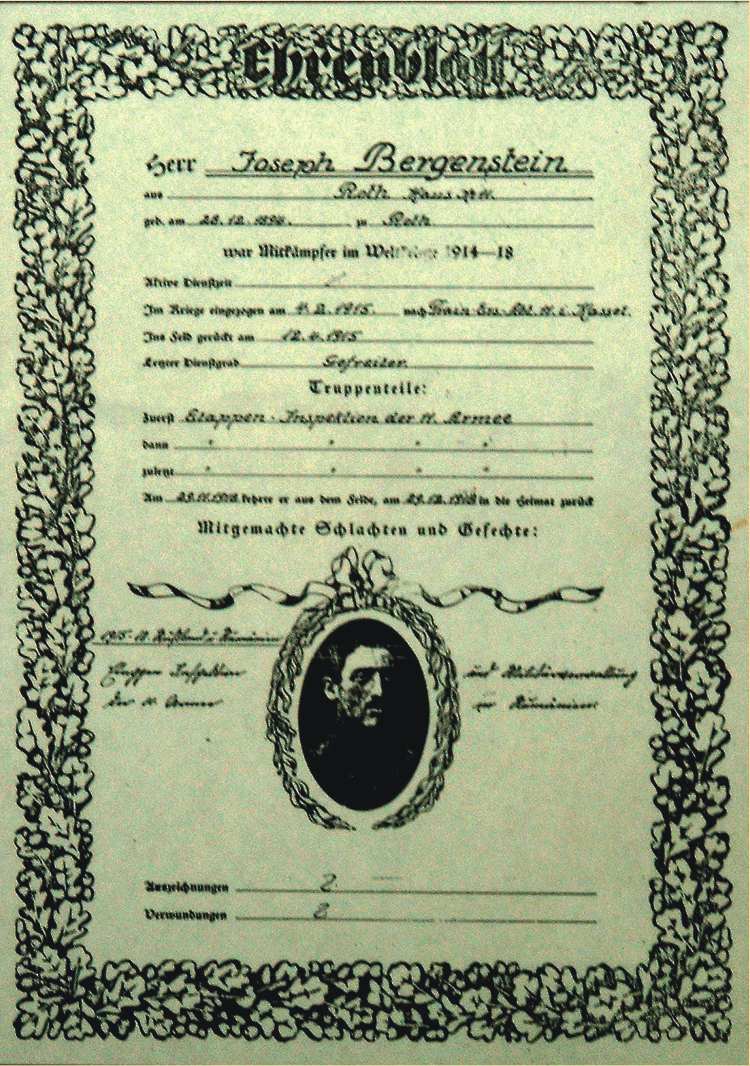
World War Document Joseph Bergenstein
Nevertheless, all members of the family were killed under circumstances that remain unclear. Goldine Bergenstein (b. 1859), née Spier, continued to live with her son’s family after the death of her husband, Levi, until her health required her to move to a nursing home in Frankfurt in late 1940. She died there on January 26, 1942.
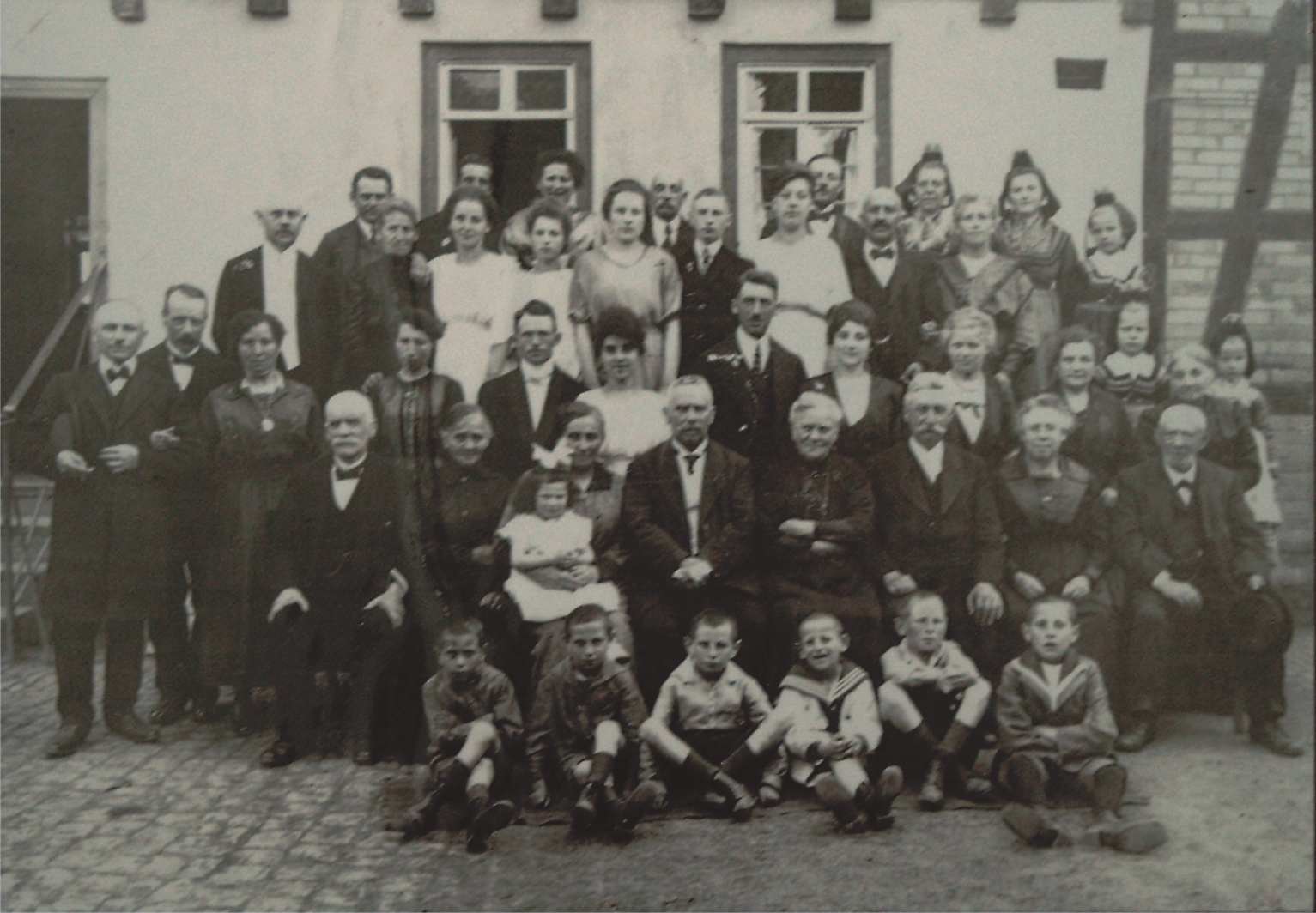 Hochzeitsfoto der Bergensteins
Jewish Families and Their Homes in Roth
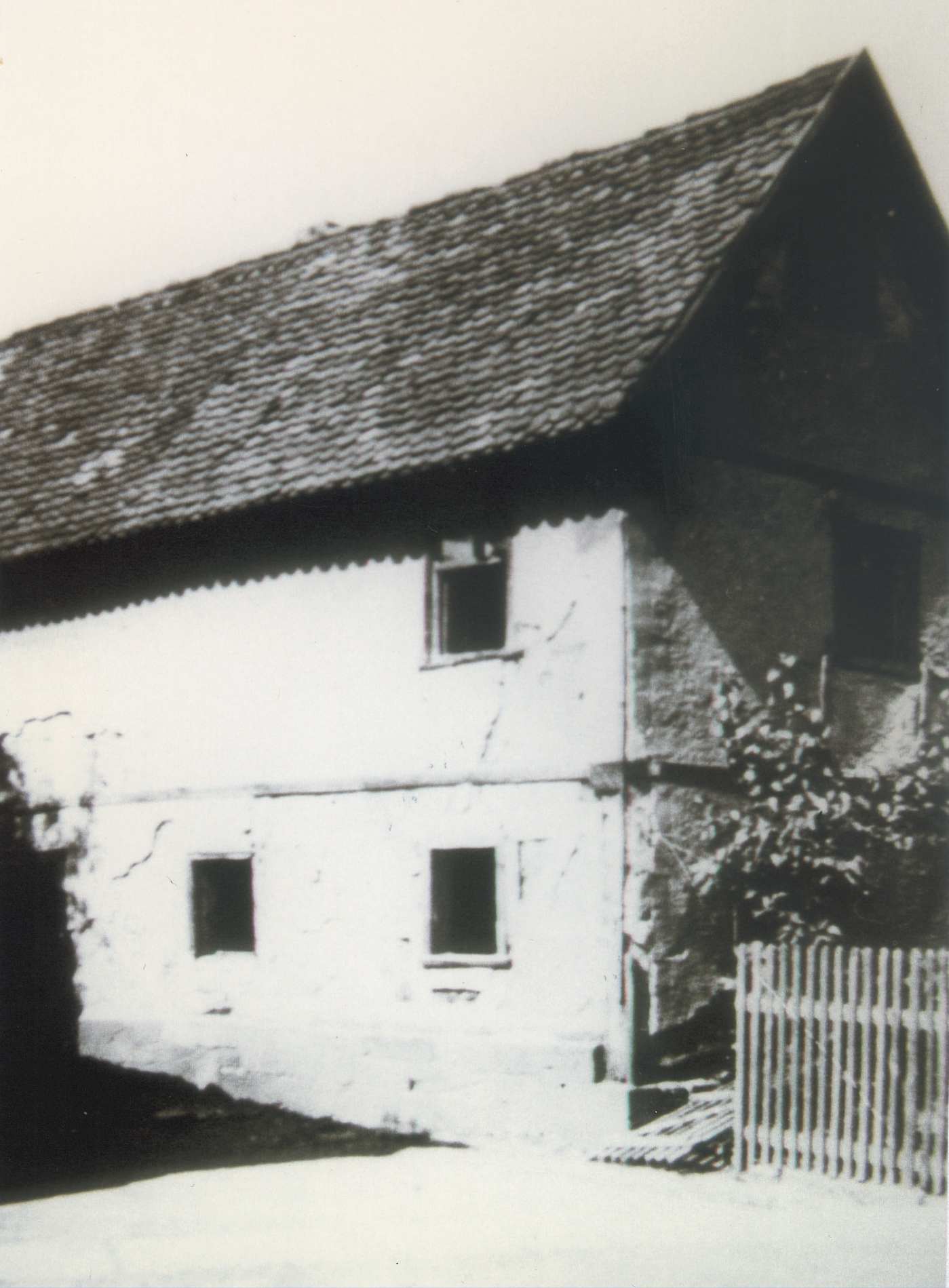 Dead End (Entrance)
Rosa Bergenstein (1853–1937), known in the village as “Alt Reiz,” lived in a small cottage at the entrance to the cul-de-sac. She was the illegitimate daughter of the butcher Josef Bergenstein and Betti Stern from Oberweimar. Levi and Seligmann Bergenstein were her half-brothers. Living alone, she lived in very poor conditions. To support her, people would buy small items, such as matches, at her little haberdashery shop. She is also said to have received straw for her bed free of charge from farmers in the village. A small shed across the street also belonged to the little house. Immediately after Rosa Bergenstein’s death in June 1937, the dilapidated buildings were torn down.
Jewish Families and Their Homes in Roth
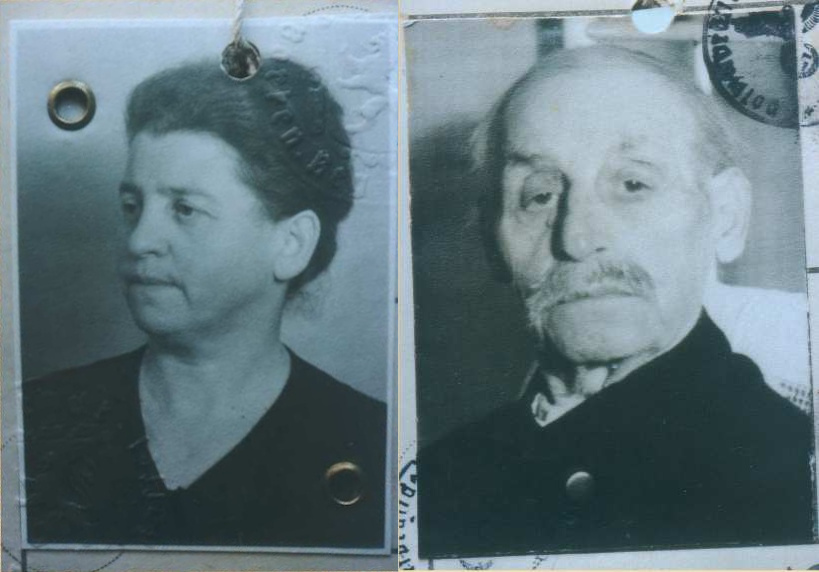 Seligmann and Emma Bergenstein
The butcher Seligmann Bergenstein (b. 1855) lived at 6 Lahntalstr. He and his wife Jettchen, née Buchheim, had three children: two sons, Julius (1885–1918) and Sally (1887–1914), and a daughter, Emma.
Sally and Julius moved to Marburg, where they ran a kosher butcher shop together. This changed with the outbreak of World War I, during which Sally served as a soldier.
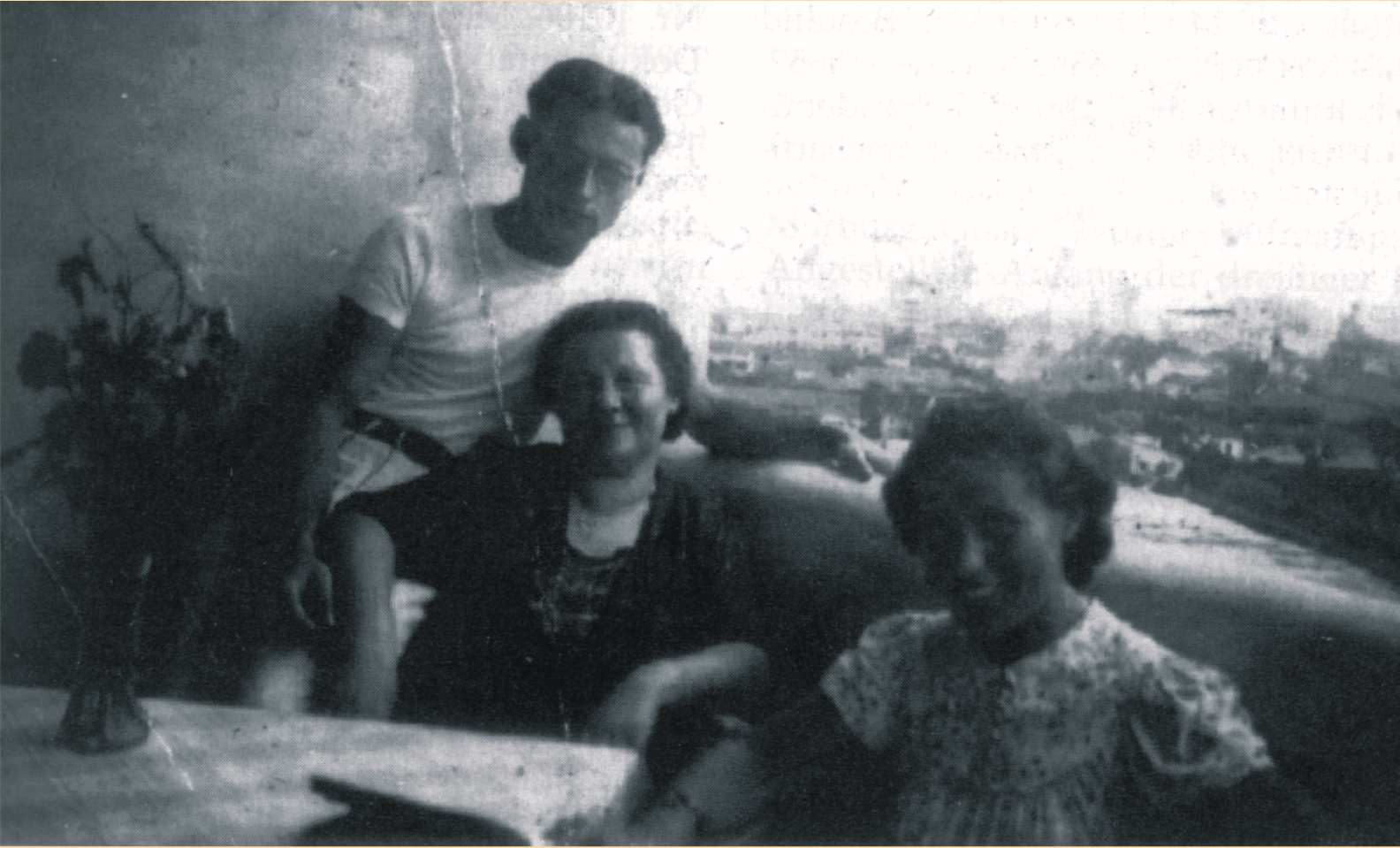 Bergensteins
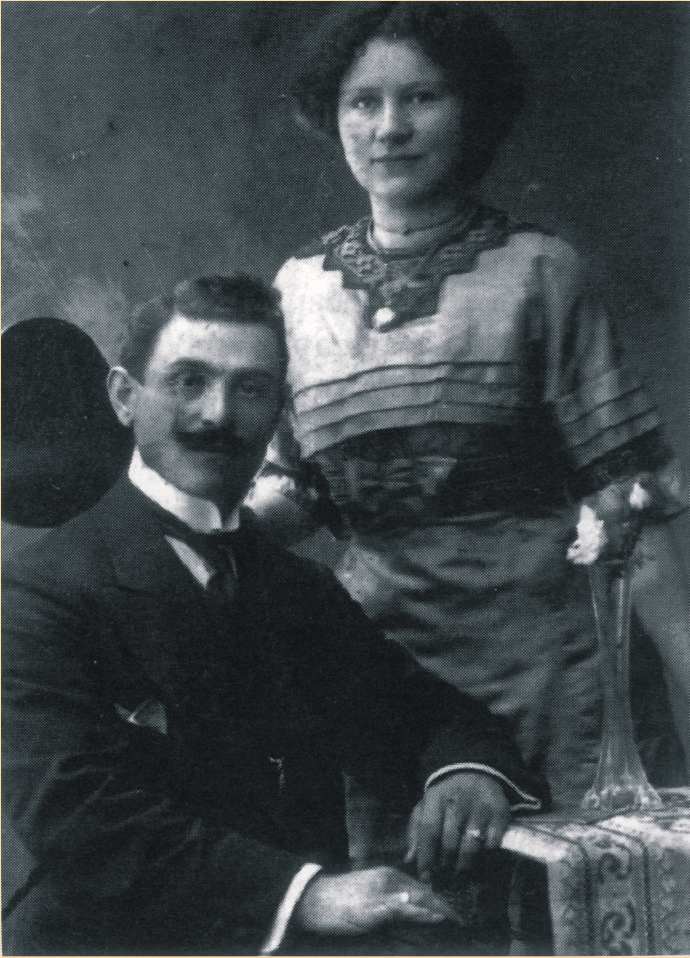
Julius and Selma Bergenstein 1913
During this time, her father left Roth and moved to Marburg to help out at the butcher shop. Sally Bergenstein was killed in action in France in November 1914. Julius Bergenstein married Selma (b. 1889), née Goldwein, in 1913. In October 1918, he fell victim to the flu epidemic. He left behind his wife and three children: Käthe (b. 1913), Sally (b. 1915), and Ilse (b. 1917).
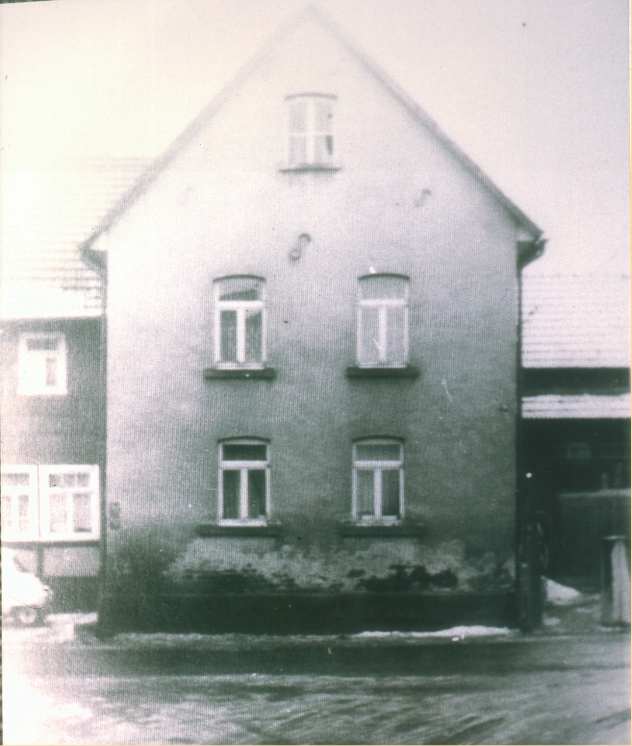 Lahntalstr 6
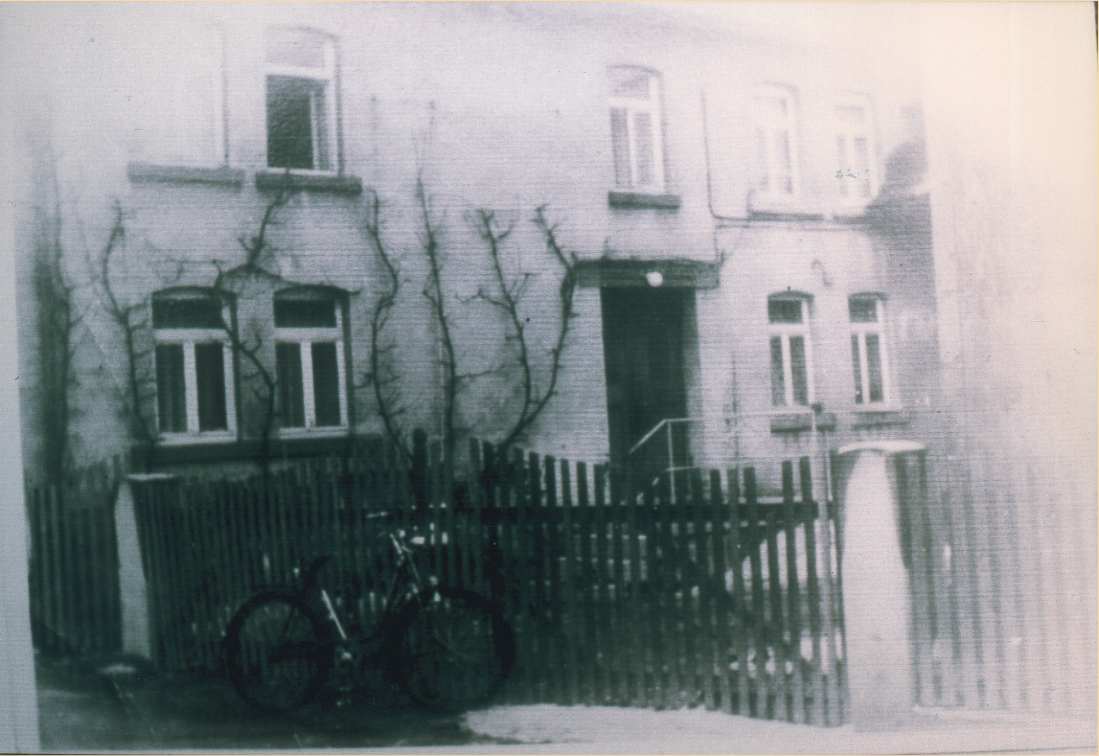 Lahntalstr 6
After the death of his second son, Seligmann Bergenstein left Marburg and went to live with his daughter, who had moved to Borken after her marriage. Nothing is known about what became of her.
Isaac Höchster (*around 1778) and the husband of his sister Reitz, Seligmann Bergenstein, benefited from civil equality during the Kingdom of Westphalia when they settled here. It is said of Isaac that his father Meyer was only granted a certificate of toleration and that he, “the son[,] was reciprocated during the Westphalian constitution”. His wife Gend Jonas (*around 1783) came from Rabenau or Kesselbach. He already had four children with her in 1817, the eldest eight years old, so his marriage probably took place in 1808 or 1809. They had a total of seven children, although the three youngest died in infancy.
In the second generation, two sons remained in the village. Meyer Höchster married Blümchen Stern in 1842, Herz Höchster married her sister Giedel in 1843, both daughters of Herz Stern. This meant that four of Herz's children remained in the village. In this way, the “newcomer” Herz Stern forged family ties with the families already related to each other through the female lines and, as we shall see, he chose the richest family for his daughters. Giedel and Herz Höchster had a son, Herz, and three daughters in a marriage that lasted just nine years; Meier and Blümchen had six children. Only one son of each generation inherited the estate, i.e. the family did not branch out any further in Roth.
The widow Giedel Höchster married a second time, in 1855 to Baruch Nathan from Lohra. She had three children with him, two sons and a daughter. Thus she founded another Jewish family in Roth. The younger son Abraham married and settled in Roth.
In the third generation, Herz was first married to Thekla Bär from Griedel, with whom he had the children Eduard and Mathilde, and later to Clothilde Meyer from Langgöns, with whom he had the daughter Selma. Isaac Höchster married Settchen Stern from Hungen; they had three children, Herz Hermann, Jenny and Bertha.
It was above all the fourth generation and their children who were driven into emigration by the Nazi regime or deported to the ghettos and extermination camps.

© Annegret Wenz-Haubfleisch
Jewish Families and Their Homes in Roth
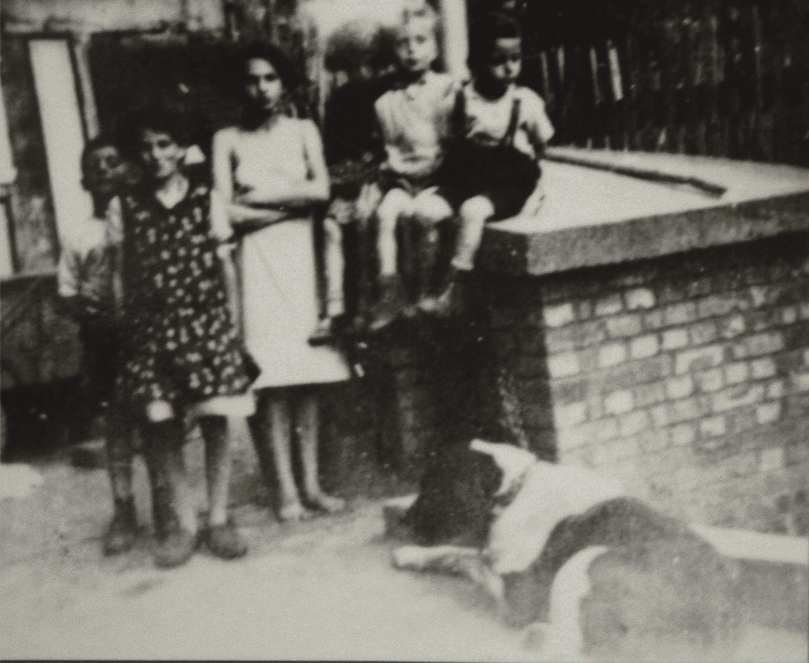
Ilse, Bertha, Helmuth, Hermann and Trude Höchster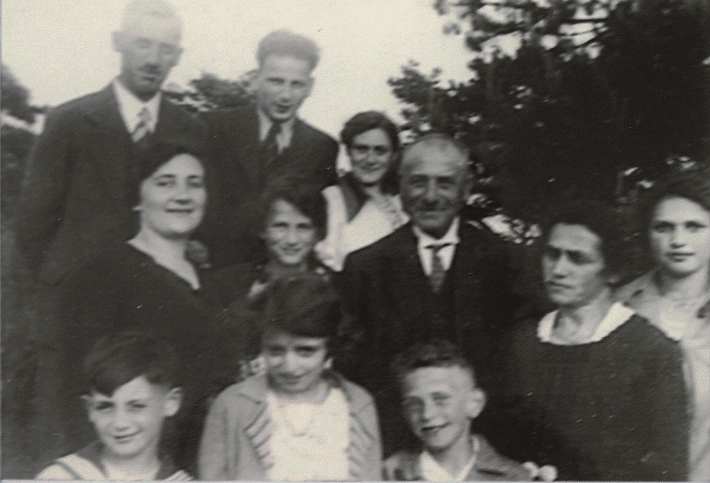 Höchsters and Bergensteins
The Höchster family lived at 22 Lahntalstrasse. Hermann Herz Höchster (1881–1943) held an important position in the Roth synagogue congregation; he served as a community elder beginning in 1926. He and his wife, Bertha (1889–1943), née Wertheim, had three children: Trude Thea (1920–1999), Betti Ilse (b. 1922), and Manfred Helmuth (1927–1943).
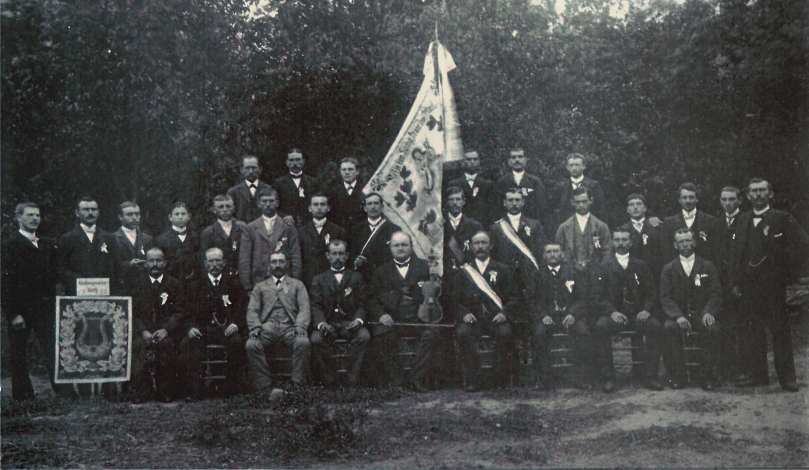 Men's Chorus Roth
Trude Höchster was the only one to survive. She managed to emigrate from Germany in 1939. She went first to England, and later to the United States. Her younger brother and parents were deported to the Riga ghetto in 1941; after its dissolution on November 2, 1943, they were sent to Auschwitz, where they were murdered that same November. Ilse Höchster was forced to perform hard labor at Siemens in Berlin, working in arms production. She was deported from Berlin to Auschwitz on March 1, 1943. All trace of her was lost there.
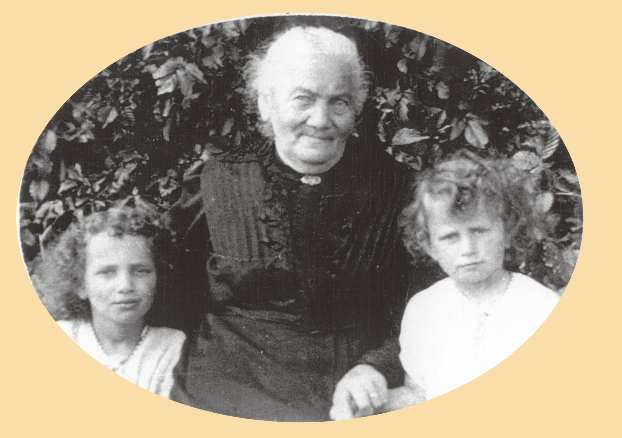 Trude, Ilse and Oma
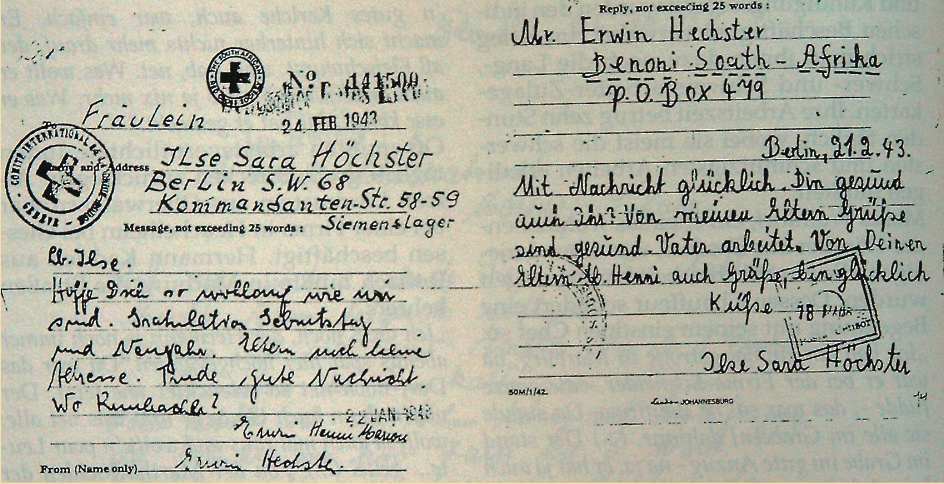 Red Cross Letter Ilse Höchster
Erwin Höchster (b. 1910) was Hermann Höchster’s son from his first marriage to Mathilde Höxter. In 1936, he emigrated to South Africa with his wife, Henny (née Walldorf), who was from Ebsdorf. Their daughter Marion was born there; she now lives in the United States.
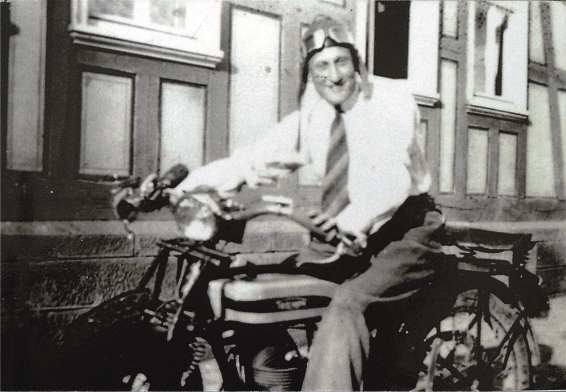
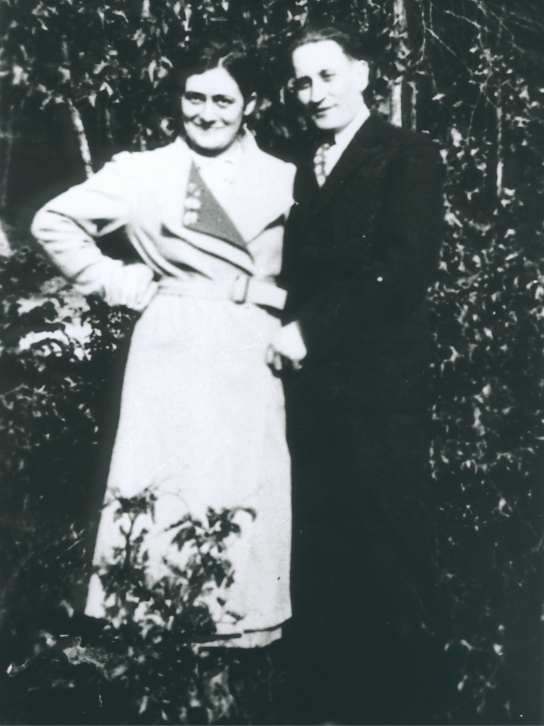
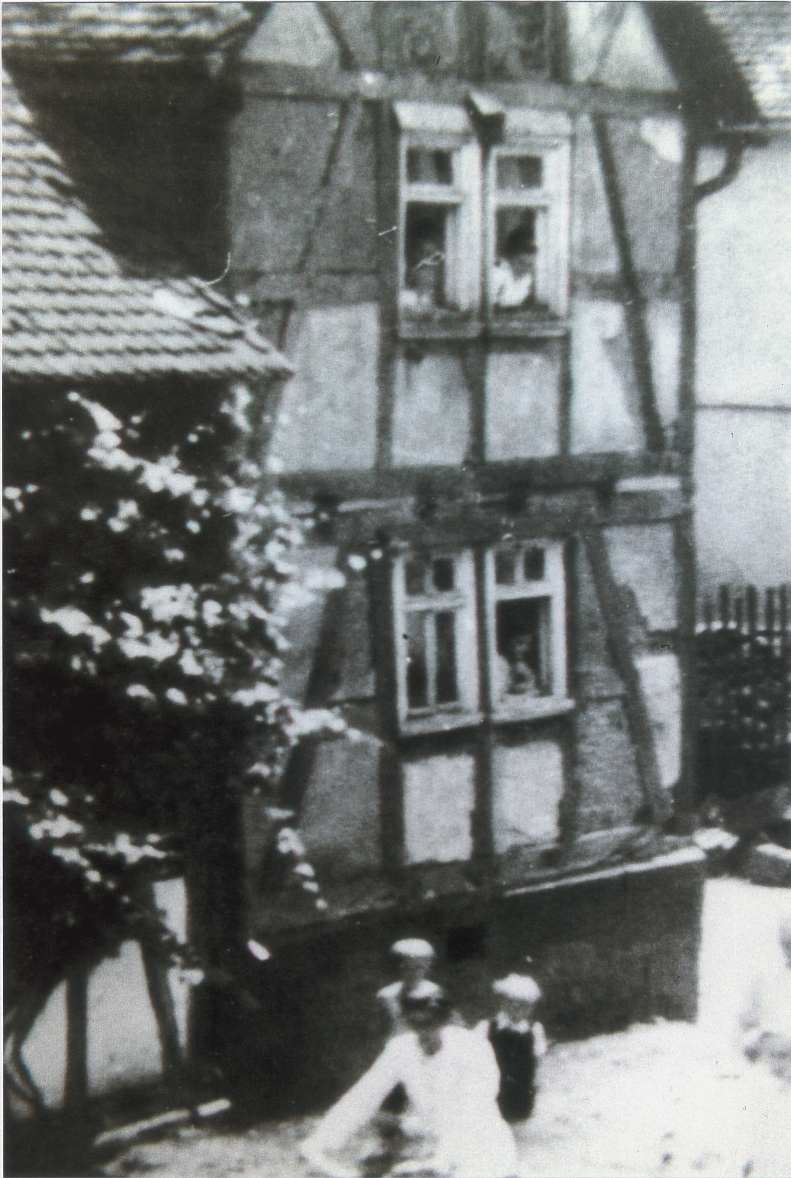 Lahntalstraße 22, 1949
Jewish Families and Their Homes in Roth
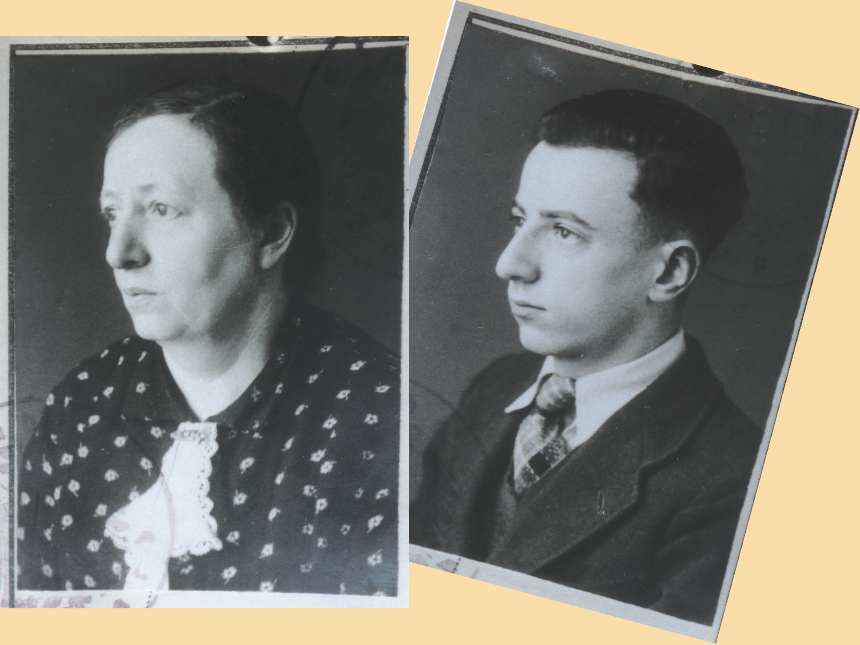 Selma and Rudolf Cohnen, 1939
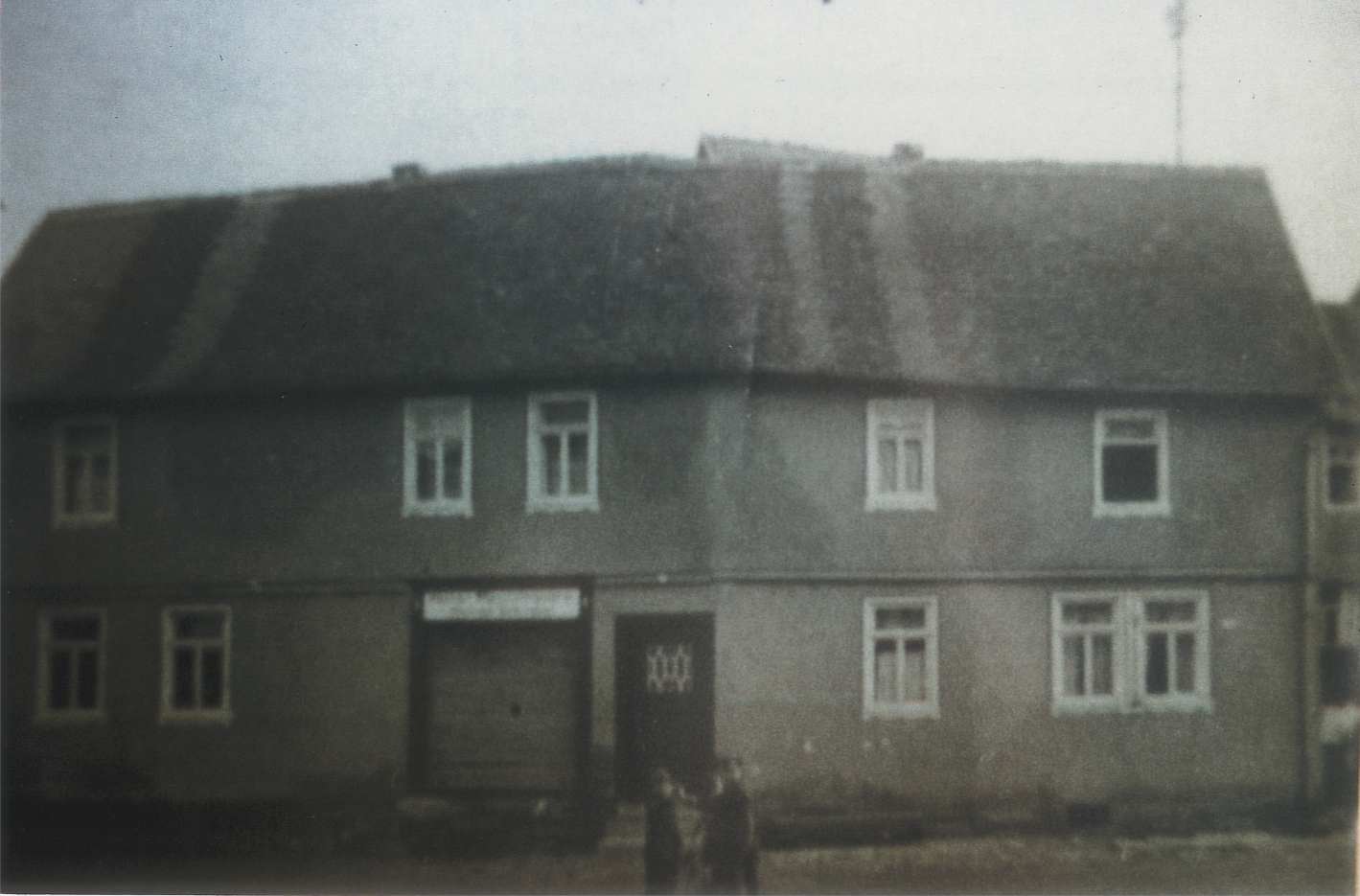 Biegenstraße 1
The butcher Herz Höxter (1852–1926) and his wife Clothilde, née Meyer (1851–1925), lived at 1 Biegenstrasse. They had two daughters: Mathilde (1885–1916), who later became Hermann Höchster’s first wife, and Selma (b. 1891).
Selma married Sallie Cohnen, who took over his father-in-law’s business. She and her husband had two sons, Max and Rudolf (*1922).
The family left Roth around 1925 and moved with her parents-in-law to Cologne, and from there, presumably some time later, to Boppard. Nothing is known about their subsequent fate.
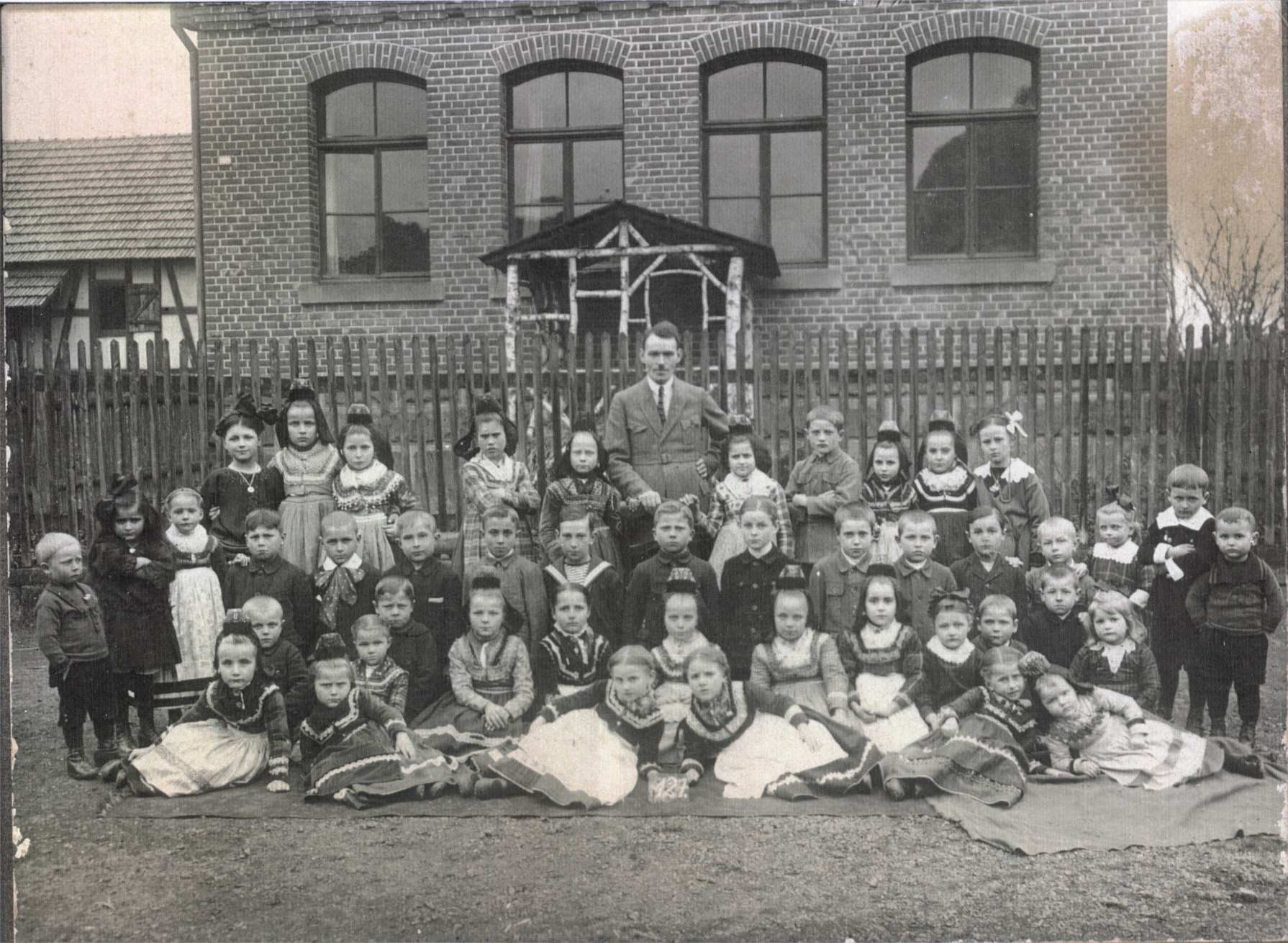 School photo Max Cohnen
We use cookies on our website. Some of them are essential for the operation of the site, while others help us to improve this site and the user experience (tracking cookies). You can decide for yourself whether you want to allow cookies or not. Please note that if you reject them, you may not be able to use all the functionalities of the site.